
Table of Contents
ToggleBuilding a tiny house in The Sims 4 offers players a refreshing challenge that mirrors real-world compact living trends. Unlike sprawling mansions, tiny house builds demand creativity, smart design, and strategic space management, skills that translate directly to actual home improvement thinking. Whether you’re chasing an in-game financial goal or simply exploring how to make every square foot count, mastering tiny house construction teaches you functional design principles that work whether you’re playing on a budget lot or learning for future real estate decisions. This guide walks you through the tools, cheats, design strategies, and furniture placement tactics that turn cramped lots into livable, attractive homes your Sims will actually want to call home.
Key Takeaways
- Building a Sims 4 tiny house teaches spatial efficiency and design principles that apply to real-world compact living and home renovation decisions.
- Use the move objects cheat (bb.moveobjects on) and grid toggle in build mode to maximize furniture placement and overcome normal space constraints.
- Vertical design elements like lofted beds, wall-mounted storage, and tall shelving save floor space and prevent cramped, claustrophobic layouts.
- Eliminate single-purpose rooms by creating multi-functional spaces—use kitchen islands for dining, sofa beds for sleeping guests, and desks tucked into living areas.
- Strategic furniture selection focusing on narrow pieces with exposed legs, storage-integrated designs, and adequate bathroom storage makes tiny houses both functional and attractive.
- Light wall colors, bright overhead lighting, and visual zone definition through rugs and shelving create an open feel even in the most compact builds.
Why Tiny House Building in Sims 4 Matters
Tiny house building in The Sims 4 isn’t just about fitting furniture into a small space, it’s about understanding spatial efficiency, circulation flow, and how design decisions impact daily life. When you’re working with a 20×20 lot or smaller, every placement decision matters. You’ll learn to think like an interior designer and architect combined, making trade-offs between aesthetics and function.
The challenge forces you to prioritize what your Sims actually need versus what’s nice to have. A sofa that doubles as a bed, a kitchen table that doesn’t waste floor space, and a bathroom that doesn’t eat up half the lot become non-negotiable. Real homeowners facing actual tight budgets or small homes benefit from this same logic, watching how professionals and experienced players solve space problems teaches practical lessons about layout and storage that apply to renovations, guest rooms, or adding an ADU to your property.
Beyond the design aspect, tiny house builds in Sims 4 often tie to gameplay goals like the Rags to Riches challenge, where players start with minimal funds and build wealth over time. Mastering compact, affordable builds teaches resource management and creative problem-solving that feels rewarding and keeps the game engaging for hundreds of hours.
Essential Tools and Cheats for Tiny House Construction
Building tiny houses efficiently requires knowing your tools and, when appropriate, using cheats to accelerate the creative process. The Sims 4’s build mode offers a solid suite of tools, but understanding their limits and workarounds saves frustration.
Build Mode Essentials:
Use the grid toggle (G key) to snap objects precisely and avoid gaps or overlaps. The move objects cheat (Ctrl+Shift+C, then type “bb.moveobjects on”) frees up normal placement restrictions, letting you rotate furniture at angles, float objects above the floor, and overlap items in ways the game normally forbids. This is invaluable for tiny houses where every inch counts. The size slider (available in newer patches for certain objects) lets you scale furniture up or down slightly, helping smaller items fit awkward corners or, conversely, scaling up a single chair to fill dead space more convincingly.
When building on a shoestring budget in-game, use floor paint and wall patterns instead of expensive build items to define spaces visually. A simple color change signals “this is the kitchen” or “this is the bedroom” without requiring wall segments or expensive dividers.
Money Cheats and Budget Optimization
If you’re focused on design rather than grinding funds, the money cheat (“money [amount]”) sets your household funds directly. Type “money 50000″ to start with a reasonable budget for a small, finished build. The **freerealestate” cheat removes lot cost entirely, letting you focus purely on construction without financial pressure.
Without cheats, tiny house gameplay often means cheap, functional starting furniture (like the base-game wooden bed and simple kitchen counter) upgraded gradually as funds allow. This mirrors actual tiny living, you start minimal and improve strategically. Buying used items from the buy catalog (filtering by price) and focusing on multi-purpose pieces keeps costs low while teaching resource-smart decisions.
Design Principles for Functional Tiny Homes
Designing a functional tiny house means applying real architectural principles in miniature. Start with traffic flow, imagine your Sim walking from the front door to the bedroom, kitchen, and bathroom. That path should be intuitive and not force them to squeeze through furniture constantly. A cramped lot with poor flow feels claustrophobic, even if technically all necessary rooms exist.
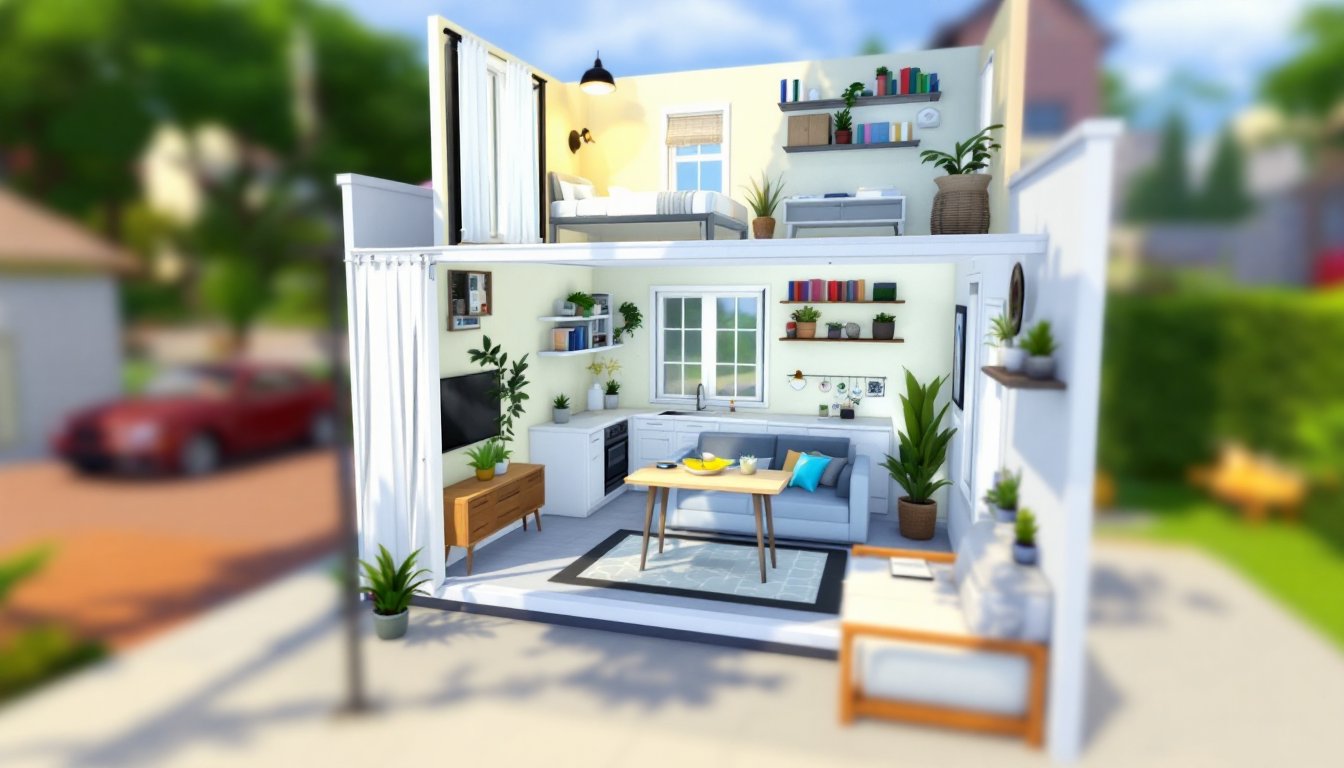
Vertical thinking is your secret weapon. Tall shelving, wall-mounted storage, and lofted beds stack functions vertically rather than sprawling horizontally. A loft bedroom over the living area (built using platform tools and a staircase) saves floor space dramatically. Similarly, wall-mounted appliances and compact kitchen islands (smaller than traditional counters) free up walking space.
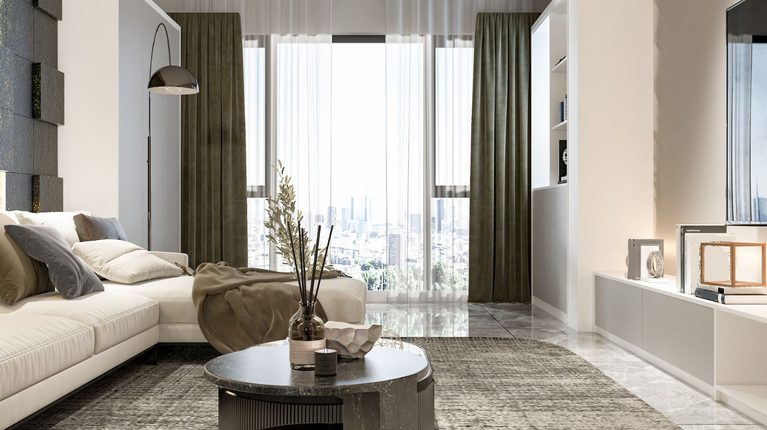
Color and lighting make small spaces feel larger or more intimate. Light, neutral wall colors (white, soft gray, pale yellow) and bright overhead lighting (a ceiling lamp, not just table lamps in corners) prevent a bunker-like atmosphere. If your Sims spend time outdoors or have windows with good views, even a 400-square-foot lot feels less cramped. Conversely, dark walls and poor lighting make even a 30×30 lot feel suffocating.
Maximizing Space With Multi-Purpose Rooms
The biggest tiny house secret is eliminating single-purpose rooms. A dedicated formal dining room in a 400-square-foot build is pure waste. Instead, a kitchen island with seating serves meals, hosts conversations, and doesn’t require a separate space. A murphy bed or sofa bed in the living area doubles the bedroom and guest space. If you need an office, a desk in the corner of the bedroom or living area works just fine, your Sims don’t care if they work where they sleep.
Use room dividers, open shelving, and rugs to suggest zone boundaries without actual walls. A bookshelf between the kitchen and living area defines the space visually while maintaining an open feel. This approach mirrors strategies interior designers use in real small apartments and lofts, visual zones beat physical walls for maintaining airiness.
One often-overlooked trick: adequate bathroom storage. A single, small bathroom shared by the whole household can feel cramped if toiletries aren’t hidden. Wall-mounted cabinets, under-sink storage, and compact shelving keep clutter invisible and make the room feel less congested than it is.
Furniture Selection and Layout Strategies
Furniture choice makes or breaks a tiny house build. Start by measuring your lot dimensions and sketching a rough layout before buying anything. This sounds tedious, but it prevents the common mistake of purchasing a beautiful sofa only to realize it doesn’t fit or blocks a doorway.
Prioritize footprint over depth. A narrow sectional or loveseat occupies less floor space than a full three-seater. A compact dining chair (often found in smaller packs or the base game) saves space compared to traditional dining chairs. Look for furniture with legs rather than skirted bases, exposed legs create a visual sense of space by showing floor underneath.
Storage furniture does double duty. A bed with drawers underneath adds storage without extra footprint. A coffee table with shelves stores books or decor. Ottomans with hidden storage seat guests while hiding clutter. These choices sound small, but they’re the difference between a tiny house that functions smoothly and one where Sims are constantly tripping over items.
Layout strategy depends on your lot shape. Corner lots and rectangular lots arrange differently. A narrow, long lot calls for a linear layout (bed-bathroom-kitchen-living), while a more square lot lets you cluster living spaces and stack storage vertically. For open-concept designs (no interior walls), floating furniture groups define spaces, a sofa angled in one corner, a small desk near the window, and the kitchen along one edge. This creates visual zones without walls gobbling up square footage.
Lighting and rug placement anchor furniture groups psychologically. A small rug under a sofa and coffee table signals “this is the living area.” A different rug near the bed (if visible) suggests the bedroom zone. This visual trick makes the home feel more organized than it actually is.
Don’t overlook wall-mounted decorations and lighting. A simple wall lamp above a desk, shelves holding books or plants, and a few framed paintings add personality without consuming floor space. Real home designers in tiny homes know this well, vertical decorating prevents the minimalist warehouse vibe while keeping the footprint lean.
Conclusion
Mastering tiny house builds in Sims 4 teaches core design and spatial reasoning skills that extend far beyond the game. You learn how light, flow, multi-purpose spaces, and smart furniture selection transform constraints into opportunities. Whether you’re playing for fun or building skills that translate to real-world renovations and downsizing decisions, the challenge of compact living is deeply rewarding. Start with a modest budget, focus on function first, and let aesthetics follow, your Sims will thrive, and you’ll surprise yourself with what fits in 20×20.