
Table of Contents
ToggleFinding tiny crawling pests in your home is unsettling, but before you panic and throw out furniture, you need to know exactly what you’re dealing with. Bed bugs and tiny worms get confused all the time, yet they require completely different treatments. Misidentifying the pest means wasting money on the wrong approach and letting the real problem fester. This guide breaks down the differences, walks you through spotting the signs, and gives you concrete steps to eliminate whatever’s actually in your house. Let’s get specific so you can tackle this problem right the first time.
Key Takeaways
- Bed bugs are flat, oval insects the size of apple seeds that hide in mattress seams and bed frames, while tiny worms are typically pantry moth larvae or drain fly larvae found in food storage or plumbing—correctly identifying which pest you have prevents wasting money on wrong treatments.
- Bed bugs leave recognizable signs including itchy bite clusters in a “breakfast, lunch, and dinner” pattern and dark fecal droppings on sheets, whereas worms don’t bite and indicate food contamination or drain issues instead.
- Effective DIY bed bug control combines washing all bedding in hot water (130°F+), vacuuming thoroughly, using mattress encasement covers to trap remaining bugs, and applying food-grade diatomaceous earth around bed legs and baseboards.
- Professional pest control services are often worth the investment for bed bugs since a single missed bug can restart an infestation, with heat treatment costing $1,000–$3,000 but providing highly reliable results.
- Prevention is key: inspect secondhand furniture before bringing it home, check hotel rooms when traveling, keep mattress encasements in place year-round, and conduct quick monthly mattress inspections to catch bed bug problems early.
- For worms, treatment is straightforward and low-cost—discard contaminated food, clean cabinets with vinegar, seal dry goods in airtight containers, and maintain drains with boiling water or enzymatic cleaners.
Are They Bed Bugs or Tiny Worms? Key Differences and Identification
What Bed Bugs Look Like and Where They Hide
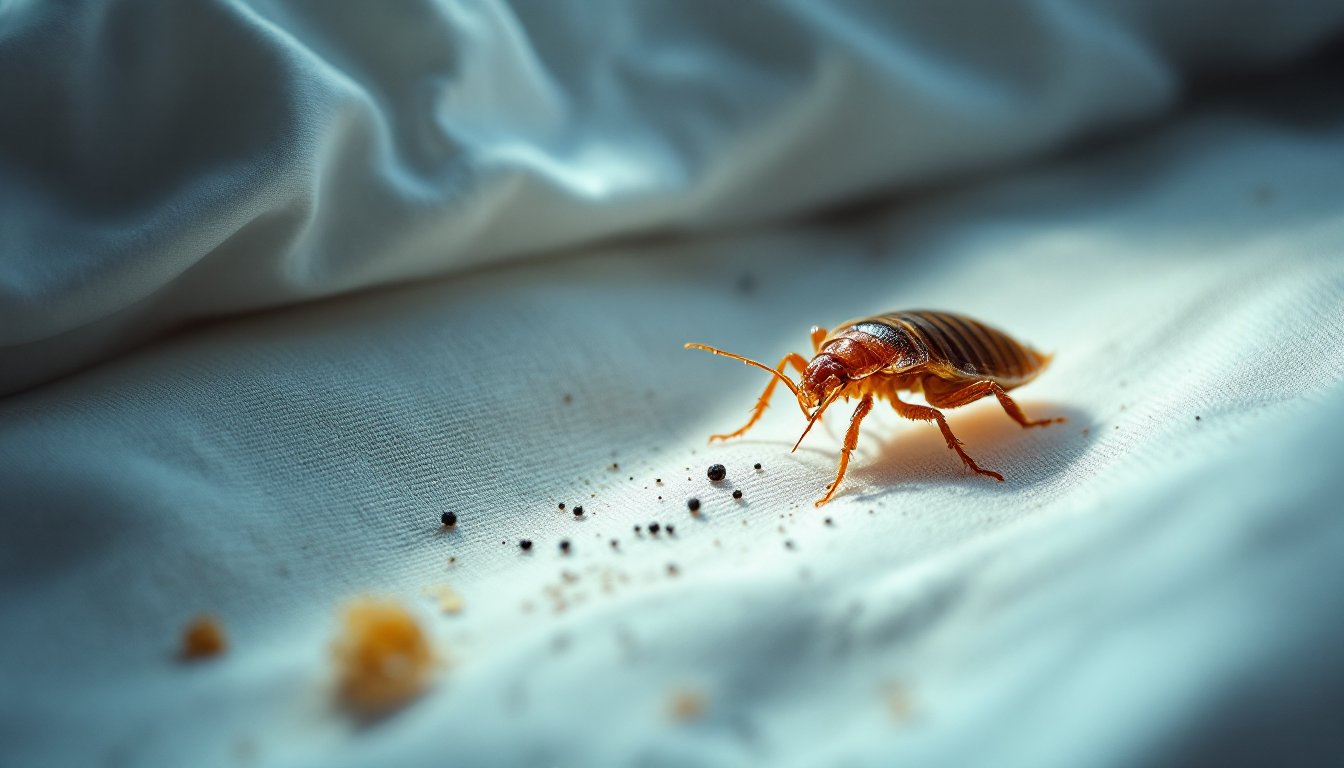
Adult bed bugs are flat, oval insects roughly the size of an apple seed, about 1/4 inch long. They’re reddish-brown and become noticeably darker after feeding on blood. Their legs and antennae are short and visible, and they move quickly across surfaces. Unlike worms, they have distinct body segments and a clear head region.
Bed bugs hide in cracks, seams, and crevices near sleeping areas. Check mattress seams, box spring edges, bed frame joints, nightstand drawers, and headboard gaps first. They don’t live in the open: they’re ambush predators that stay hidden until feeding time. You’ll also find them behind baseboards, inside picture frames, and inside outlet covers, anywhere dark and undisturbed within a few feet of where people sleep.
Nymphs (young bed bugs) are smaller, about the size of a pinhead, and pale yellow or translucent. As they grow and feed, they gradually darken. Unlike adult bed bugs, nymphs are easier to squish and leave little to no stain. Finding a cluster of nymphs often indicates an active, growing infestation.
Common Household Worms and How to Tell Them Apart
Small worms found indoors are usually either pantry moth larvae (from stored food), drain fly larvae, or occasionally mold mites that look worm-like under normal inspection. Pantry moth larvae are cream or tan colored, wrinkled, and move slowly. They spin silk webbing inside flour, cereal, or grain containers. Drain fly larvae live in drain pipes and organic buildup and are smaller, darker, and segment-like.
Key difference: worms don’t bite. If you’re experiencing itchy bites in clusters (especially on arms, legs, or torso), you’ve almost certainly got bed bugs, not worms. Worms are a food-storage or plumbing problem, not a biting pest. Bed bugs create a recognizable pattern, often three bites in a line, called the “breakfast, lunch, and dinner” pattern. These bites itch intensely and can appear hours after the feeding.
Another tell: bed bugs leave fecal droppings that look like tiny black dots on sheets and mattresses. Worms don’t leave this kind of evidence. Dark stains on bedding are a smoking gun for bed bugs.
Signs of Infestation: What to Look For in Your Home
Start by examining your body for bites. Bed bug bites typically appear in clusters on exposed skin and itch more intensely than mosquito bites. They can take 1–14 days to show up after feeding, so a sudden appearance of itchy welts over a week or two is suspicious.
Next, strip your bed completely and inspect the mattress with a flashlight. Look closely at seams, corners, and under the mattress label. Bed bugs congregate in these tight spaces. You’re hunting for live bugs (reddish-brown, oval, moving fast), their shed skins (tan, papery, empty exoskeletons), and dark fecal spots (pepper-like specks that don’t brush away).
Check your box spring if you have one, paying special attention to the fabric underside. Bed bugs often hide in the springs themselves. Run your flashlight along the bed frame’s joints and seams, and check inside any wooden headboard cracks. If your bed has feet, inspect where they meet the floor.
Look beyond the bedroom. Bed bugs can travel to couches, armchairs, and other furniture where people sit or sleep. If an infestation is advanced, you may find evidence in nightstands, closets, or even walls near the bedroom. For worm-related infestations, check food storage areas (pantries, cabinets) for contaminated packages, webbing, or larvae. Inspect drains if you suspect drain fly larvae.
DIY Detection and Inspection Methods
A bright flashlight and a magnifying glass are your best tools. With these, you can spot live bugs, fecal droppings, and shed skins that are invisible to the naked eye. Inspect for at least 15 minutes per room, especially bedrooms.
Use a white sheet as a detection aid. Place it under the bed or pull it across the mattress: dark bed bug droppings show up clearly on white fabric. If you find droppings but no live bugs, the infestation is active but the bugs may be in hiding.
Consider buying bed bug interceptor cups (small plastic cups with slippery inner walls that trap bugs). Place one under each bed leg. Bugs trying to climb onto the bed from the floor get trapped and can’t escape. Leave them in place for a week or two. If they catch bugs, you’ve confirmed the infestation. These cost $10–$30 for a set and provide visual proof that’ll help a professional treat the right problem.
For worms, a straightforward inspection of food storage and drains is enough. Check inside opened or opened boxes of flour, rice, pasta, and cereal. Look for larvae, webbing, or clumping. If you find contamination, that container needs disposal (seal it tightly first, then trash it). For drain issues, pour boiling water down drains weekly to kill larvae and prevent buildup.
If you’re uncertain after inspection, photograph any bugs or suspicious marks and consult a professional pest control inspector. A visual ID over the phone or email can save money and point you in the right direction.
Treatment and Elimination Strategies for Homeowners
For bed bugs: DIY chemical treatment is possible but often incomplete. Over-the-counter sprays work on contact but don’t reach bugs hidden deep in mattresses or walls. A more reliable approach combines multiple tactics:
- Wash all bedding (sheets, pillowcases, mattress covers) in hot water (130°F+) and dry on high heat for at least 30 minutes. This kills bed bugs at all life stages.
- Vacuum the mattress, box spring, and bed frame thoroughly, especially seams and crevices. Dispose of the vacuum bag immediately in a sealed trash bag.
- Encase your mattress and box spring in bed bug-proof encasement covers. These zippers trap any remaining bugs inside, where they starve over several months. This is crucial, a bare mattress is impossible to defend.
- For furniture, consider heat treatment or disposal. Bed bugs can’t survive temperatures above 122°F for 90 minutes. A professional heat treatment for an entire room or home is highly effective but costs $1,000–$3,000.
- Apply a thin layer of food-grade diatomaceous earth around bed legs and baseboards (wear a mask: don’t inhale powder). This desiccant kills bugs by dehydration. Reapply after vacuuming.
Many homeowners find that professional pest control services are worth the cost for bed bugs. A single missed bug can restart an infestation. If you choose to go pro, get quotes and ask about guarantees.
For worms: Treatment depends on the type. Pantry moths require discarding contaminated food, cleaning cabinets with vinegar, and sealing remaining dry goods in airtight containers. Drain fly larvae need drain cleaning and regular maintenance with boiling water or enzymatic drain cleaners. These treatments are straightforward and low-cost.
Prevention and Long-Term Protection
Once you’ve eliminated the infestation, keep it gone:
For bed bugs:
- Inspect secondhand furniture, especially mattresses and upholstered pieces, before bringing them indoors. Don’t accept free couches or beds without a thorough check.
- When traveling, inspect hotel rooms before unpacking. Place luggage on the bathroom floor or in the tub, away from furniture. Wash travel clothes immediately upon returning home.
- Keep mattress encasements in place year-round. They’re your safety net and let you spot new activity immediately.
- Seal cracks in baseboards and around outlets where bed bugs can hide. Use caulk or spackle.
- Reduce clutter. Fewer hiding spots mean easier inspections and faster detection of new problems.
For worms:
- Store dry goods in airtight containers. Glass jars with locking lids or food-grade plastic bins work well.
- Inspect groceries before storing them. If pantry goods have been at room temperature in a store for weeks, they’re more likely to harbor moth eggs.
- Clean drains regularly with boiling water or enzymatic cleaners for drain maintenance. Remove visible debris and organic buildup.
- Don’t leave pet food open: seal it after each feeding.
Regular vigilance beats reactive panic. A quick monthly inspection of your mattress and food storage takes 10 minutes and catches problems early, when they’re easiest to fix.