
Table of Contents
ToggleHome renovation ideas are shifting fast as 2026 approaches. Homeowners want spaces that look great, work harder, and feel better to live in. The trends emerging this year reflect a mix of environmental awareness, technological advancement, and a renewed focus on personal well-being.
Whether someone is planning a full remodel or smaller updates, understanding these home renovation ideas can help them make smarter choices. From sustainable materials to smart technology, the priorities are clear: homes should be efficient, flexible, and healthy. Here’s what’s driving renovation decisions in 2026.
Key Takeaways
- Home renovation ideas for 2026 prioritize sustainability, with reclaimed wood, bamboo, recycled materials, and low-VOC paints becoming standard choices.
- Multifunctional spaces with movable partitions, Murphy beds, and built-in storage address the ongoing need for flexible living and working areas.
- Smart home technology integration—including whole-home automation, zone-controlled HVAC, and advanced security systems—is now planned from the start of renovation projects.
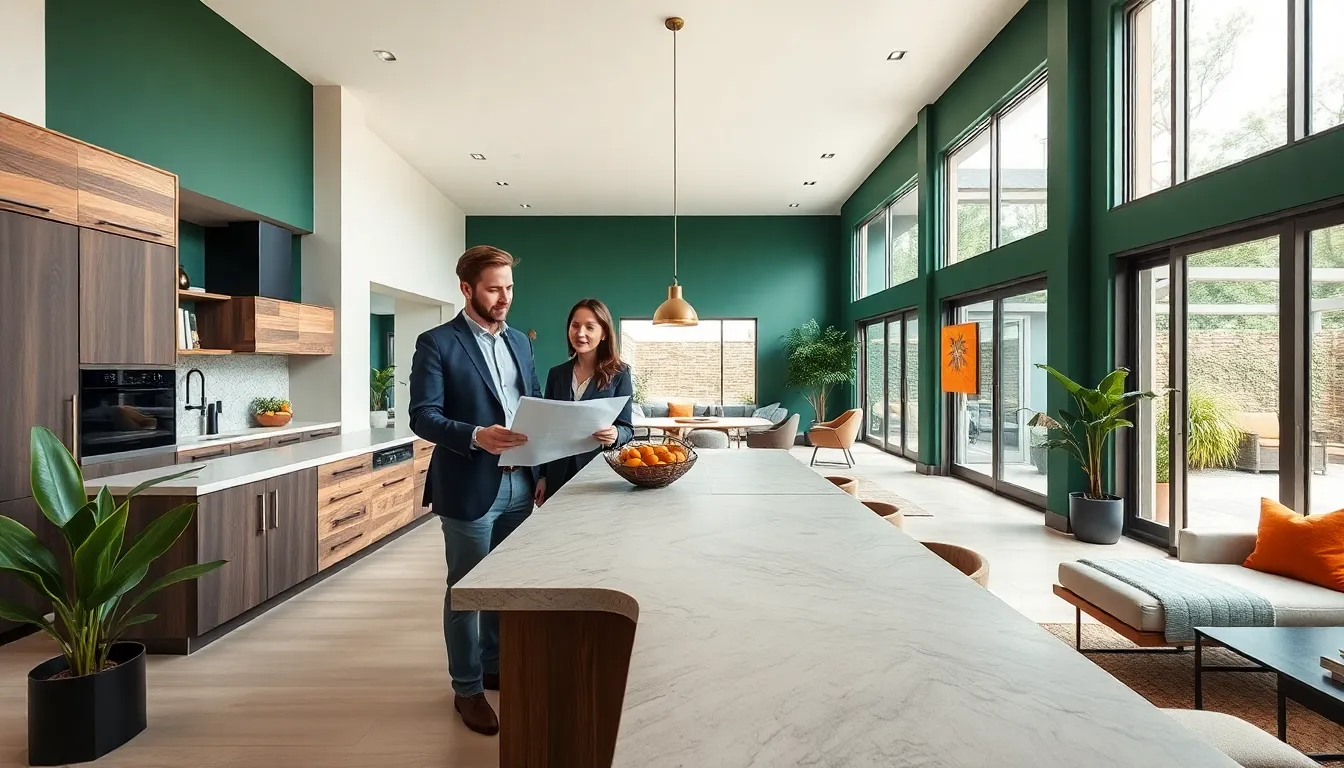
- Bold colors like deep greens, terracottas, and navy blues are replacing all-white interiors, paired with natural textures like limewash walls and handmade tiles.
- Wellness-focused features such as air and water filtration systems, natural light maximization, and spa-inspired bathrooms are shaping how homeowners approach renovations.
- Biophilic design elements, including living walls and indoor plants, help connect indoor spaces with nature for improved well-being.
Sustainable and Eco-Friendly Materials
Sustainability isn’t just a buzzword anymore, it’s a baseline expectation. In 2026, home renovation ideas increasingly center on materials that reduce environmental impact without sacrificing style or durability.
Reclaimed wood continues to gain popularity for flooring, accent walls, and cabinetry. It offers character that new lumber simply can’t match. Bamboo remains a go-to choice for homeowners who want a renewable resource with impressive strength. Cork flooring has also seen a resurgence, prized for its natural insulation properties and comfortable underfoot feel.
Recycled materials are making their way into countertops and tiles. Surfaces made from recycled glass or reclaimed stone offer unique visual appeal while keeping waste out of landfills. Some manufacturers now produce countertops from recycled paper and resin, creating durable surfaces with surprisingly elegant finishes.
Low-VOC paints and finishes have become standard for health-conscious renovators. These products release fewer harmful chemicals into indoor air, making homes safer for families and pets. Many major paint brands now offer extensive low-VOC lines in every color imaginable.
Energy-efficient windows and insulation round out the sustainable home renovation ideas for 2026. Triple-pane windows and spray foam insulation help reduce energy consumption, lowering utility bills while shrinking a home’s carbon footprint.
Multifunctional Living Spaces
The way people use their homes has changed permanently. Remote work, home schooling, and multigenerational living have made flexibility essential. Home renovation ideas in 2026 reflect this shift toward spaces that serve multiple purposes.
Open floor plans remain popular, but with a twist. Homeowners are adding movable partitions, pocket doors, and built-in room dividers that allow spaces to transform as needed. A living room can become a home office in minutes. A guest bedroom can double as a workout space.
Built-in storage solutions are critical for multifunctional rooms. Murphy beds with integrated shelving save space while maintaining a polished look. Custom closet systems maximize every inch of available storage. Under-stair drawers and window seat storage have become standard features in new renovations.
Kitchens are evolving to accommodate more activities beyond cooking. Large islands with seating serve as assignments stations, workspaces, and gathering spots. Some homeowners are adding secondary prep sinks or creating dedicated zones for different tasks.
Basements and attics are seeing renewed attention. These underutilized spaces offer prime real estate for home gyms, media rooms, or in-law suites. Proper insulation, lighting, and ventilation can transform them into comfortable living areas.
Smart Home Technology Integration
Smart technology has graduated from novelty to necessity. The home renovation ideas trending in 2026 include seamless integration of connected devices throughout the house.
Whole-home automation systems allow homeowners to control lighting, temperature, security, and entertainment from a single app or voice command. The key word here is “seamless.” Renovation projects now account for smart technology from the planning stage, not as an afterthought.
Smart lighting goes beyond simple on-off control. Programmable systems adjust color temperature throughout the day, supporting natural circadian rhythms. Motion sensors reduce energy waste in low-traffic areas. Integrated landscape lighting enhances curb appeal while improving security.
Advanced HVAC systems with zone control let homeowners heat or cool specific rooms rather than the entire house. Smart thermostats learn usage patterns and optimize settings automatically. Some systems even integrate with local weather forecasts to anticipate temperature changes.
Security upgrades remain a priority among home renovation ideas. Video doorbells, smart locks, and connected camera systems provide peace of mind. Many homeowners are choosing systems that integrate with their existing smart home platforms for unified control.
The infrastructure matters too. Renovation projects in 2026 often include upgraded electrical panels, dedicated circuit breakers for charging stations, and pre-wired conduits for future technology additions.
Bold Color Palettes and Natural Textures
White-on-white interiors are fading. Home renovation ideas for 2026 embrace color with confidence while grounding spaces with natural textures.
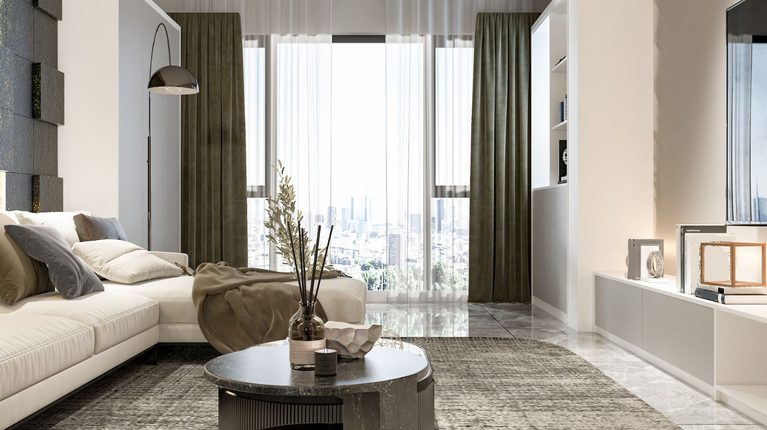
Deep greens, warm terracottas, and rich navy blues are appearing on walls, cabinetry, and furniture. These colors create depth and personality that neutral palettes simply can’t achieve. Accent walls have given way to entire rooms painted in bold hues.
Earthy tones inspired by nature, clay, sage, ochre, and sand, provide warmth without overwhelming a space. These colors pair beautifully with natural materials like wood and stone, creating cohesive designs that feel both modern and timeless.
Texture plays an equally important role. Limewash and plaster finishes add dimension to walls. Natural stone with visible veining brings organic beauty to bathrooms and kitchens. Handmade tiles with slight imperfections offer character that mass-produced options lack.
Mixed metals are standard practice now. Brass, black iron, and brushed nickel can coexist in the same space when chosen thoughtfully. Hardware, lighting fixtures, and plumbing fixtures provide opportunities to introduce metallic contrast.
Textiles contribute warmth and softness. Linen, wool, and cotton in muted tones balance the harder surfaces common in renovation projects. Area rugs, window treatments, and throw pillows become essential finishing touches.
Wellness-Focused Design Features
Health and well-being now influence home renovation ideas as much as aesthetics do. People want their homes to actively support their physical and mental health.
Air quality improvements top the list. Whole-home air filtration systems remove allergens, pollutants, and pathogens. Energy recovery ventilators bring fresh outdoor air inside while maintaining temperature control. Some homeowners are adding air purifiers to individual rooms for additional protection.
Water filtration systems have expanded beyond drinking water. Whole-house filters remove chlorine and contaminants from every tap, protecting skin and hair during showers. Point-of-use filters in kitchens ensure the cleanest possible water for cooking and drinking.
Natural light maximization remains a central goal. Larger windows, skylights, and sun tunnels bring daylight into previously dark corners. Light wells and interior glass walls help distribute natural light throughout homes.
Bathroom renovations increasingly include spa-inspired features. Steam showers, soaking tubs, and heated floors transform ordinary bathrooms into relaxation retreats. Chromotherapy lighting and aromatherapy diffusers add sensory elements to the experience.
Outdoor living spaces have become extensions of the wellness concept. Covered patios, outdoor kitchens, and garden areas encourage time spent outside. Even small urban balconies can incorporate greenery and comfortable seating for daily decompression.
Biophilic design, incorporating natural elements indoors, continues to gain traction. Living walls, indoor plants, and water features connect occupants with nature even when they’re inside.