
Table of Contents
ToggleInflatable tiny houses are emerging as a legitimate alternative to traditional housing, offering a practical answer to rising property costs and the desire for simpler living. Unlike novelty pool floats or emergency shelters, modern inflatable homes are engineered structures designed to withstand years of use while providing genuine shelter and living space. For DIY enthusiasts and homeowners exploring unconventional housing options, these structures represent a fresh intersection of innovation and affordability, one worth understanding before you decide whether they’re right for your situation.
Key Takeaways
- Inflatable tiny houses cost between $15,000–$50,000, making them significantly more affordable than traditional tiny homes or conventional property purchases while requiring no mortgage or extensive construction labor.
- Modern inflatable tiny houses are engineered structures with reinforced PVC or ETFE fabrics, multiple air chambers, and proper insulation—far more durable and weather-resistant than novelty inflatables, lasting 15–20 years with proper maintenance.
- These portable homes offer flexibility for remote workers and those testing new locations, deflating and relocating within days, but you must verify zoning laws and obtain written permission from property owners before setup.
- Operating an inflatable tiny house involves regular pressure monitoring (weekly checks), monthly seam inspections, and basic maintenance comparable to RV upkeep—making them simpler to maintain than traditional homes with roofs and wooden framing.
- Before buying, budget separately for utilities and offgrid systems (solar, well water, composting toilets), assess your local climate’s wind and UV exposure, and understand that resale value recovers only 50–70% of the purchase price.
What Are Inflatable Tiny Houses?
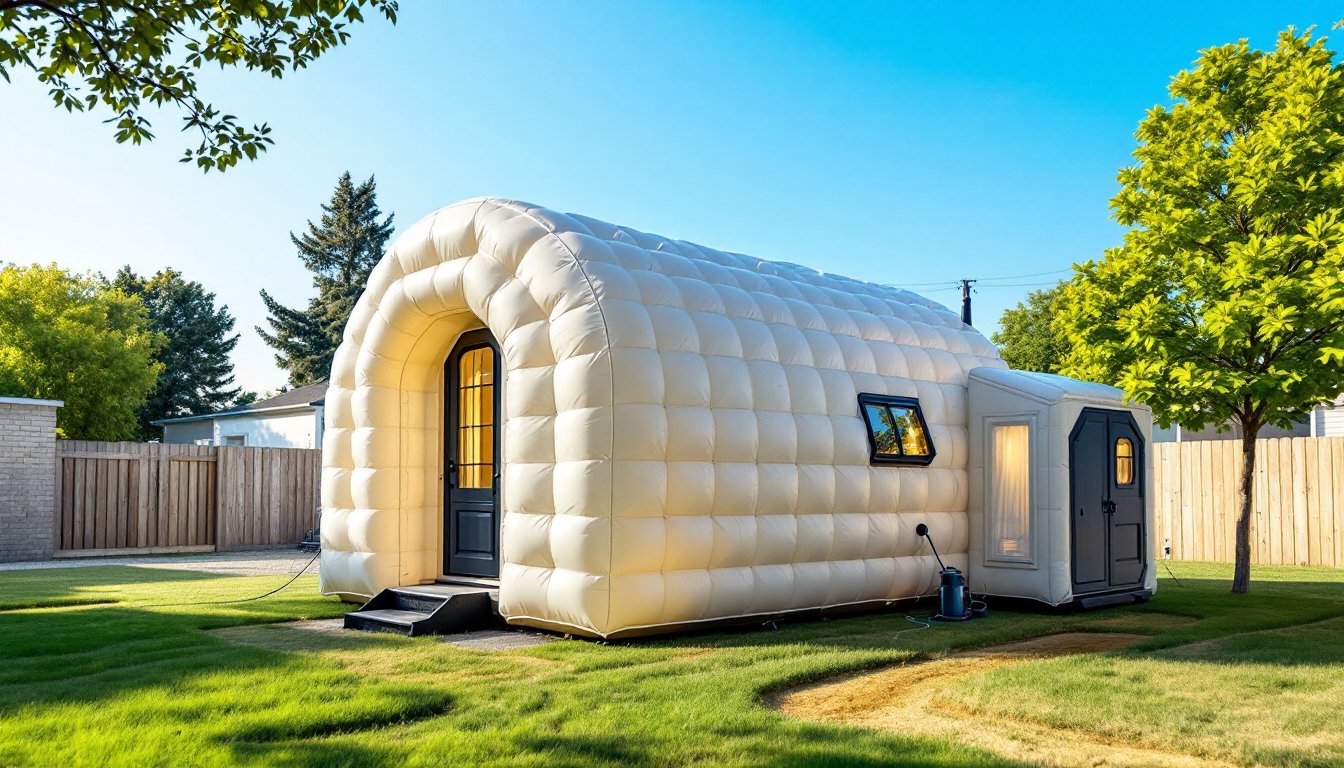
An inflatable tiny house is a compact dwelling unit constructed from reinforced, high-durability fabrics (typically PVC or ETFE plastic film) supported by air pressure rather than a traditional wooden or steel frame. These structures range from 150 to 400 square feet and use an internal air system to maintain their shape and structural integrity, much like a tent works with poles, but inverted and pressurized.
They differ fundamentally from air mattresses or bounce castles. The materials undergo rigorous testing for weatherproofing, UV resistance, and load-bearing capacity. Most include insulation layers, multiple air chambers for redundancy (so a single leak won’t collapse the structure), and reinforced seams rated for sustained pressure.
The concept isn’t entirely new, inflatable structures have been used for military shelters, emergency housing, and scientific research stations for decades. What’s changed is market accessibility and residential design refinement. Companies are now producing consumer-grade inflatable homes with amenities like built-in bedrooms, kitchenettes, and bathroom modules, making them viable for longer-term habitation.
Key Benefits of Inflatable Tiny Living
Affordability and Cost Savings
The price point is inflatable homes’ most immediate draw. A decent-quality inflatable tiny house typically costs between $15,000 and $50,000, compared to $100,000+ for a traditional tiny house on wheels or $250,000+ for a conventional home purchase. This is partly because assembly doesn’t require heavy machinery, foundation work, or extensive on-site construction labor.
Beyond purchase price, operating costs are lower. Inflatable structures have less surface area to heat and cool, reducing utility bills in most climates. There’s no mortgage, no property tax (depending on your jurisdiction and whether you own the land), and minimal maintenance compared to roofed structures with shingles, gutters, and wood framing prone to rot and pest infiltration.
Portability and Flexibility
If you need housing flexibility, whether you’re testing a location before committing, managing a seasonal residence, or preparing for a life transition, an inflatable structure can be deflated, packed into a truck, and relocated in a matter of days. This portability makes them appealing for people exploring alternative living arrangements without permanent financial or legal entanglement.
Portability also reduces relocation stress for remote workers, contractors, or families exploring different regions. You’re not locked into a property or a 30-year mortgage. That said, zoning laws and local regulations can complicate placement, so you’ll need to verify legality before setting up on unfamiliar land.
Design Options and Customization
Modern inflatable tiny houses come in several layouts. Single-room configurations work for solo dwellers or couples. Multi-chamber designs feature separate sleeping areas, living zones, and bathroom compartments, giving occupants privacy and functional separation.
Customization ranges from basic to extensive. Most manufacturers let you choose wall colors, door and window placement, and interior finishes. Some offer modular add-ons, covered porches, storage annexes, or workspace pods, that attach to the main structure with secure inflatable seals.
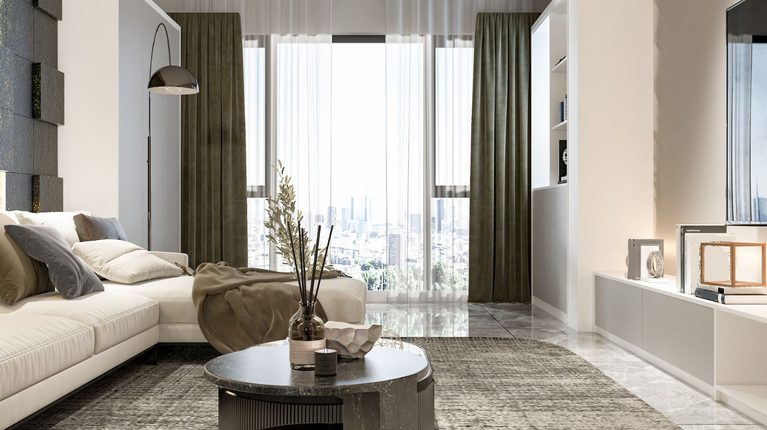
Interior design follows standard tiny house principles: loft beds, integrated storage, compact kitchens, and multipurpose furniture. The advantage here is that inflatable walls don’t limit you the way fixed architecture does. You can hang shelving, install lighting, and rearrange furniture without worrying about load-bearing walls or structural constraints (within reason, the walls themselves are the structure, so you can’t demolish them).
Some builders have explored interesting applications. Design collections featuring unusual micro-living structures showcase how compact architecture is pushing creative boundaries, including inflatable and pop-up options that prioritize innovation and user experience.
How to Setup and Maintain Your Inflatable Tiny House
Setup typically involves unpacking the structure, leveling the ground, inflating the unit (using a built-in or external pump system), and anchoring it to prevent wind displacement. Most installations take 4–8 hours with two people and basic tools.
Ground Preparation matters. Clear and level your site as you would for an RV or tent. Soft ground (grass, sand) is acceptable: hard-packed earth or gravel is ideal. Use a level to check: even 2–3 degrees of slope can stress seams and create water pooling issues.
Inflation and Pressure Monitoring is ongoing. You’ll operate an air pump (electric or manual) connected to the structure’s valve system. Most modern units maintain pressure automatically via a regulator, but you’ll need to check readings weekly. Think of it like maintaining tire pressure on a vehicle, it’s not difficult, just regular.
Maintenance is straightforward compared to traditional housing. Inspect seams and walls monthly for damage. Clean exterior surfaces with mild soap and water. Check anchor points and weatherstripping before storms. If a small leak develops, most kits include repair patches (similar to bicycle tire repair) and sealants rated for the material.
Structural Longevity depends on material quality and care. High-grade inflatable homes last 15–20 years with proper maintenance. Cheaper units might show wear in 5–7 years. Exposure to extreme UV, hail, or persistent high winds accelerates degradation. Consider detailed construction guides and best practices for understanding pressure systems and material stress points if you want to troubleshoot or upgrade your installation.
Practical Considerations Before Buying
Zoning and Legal Status: Inflatable structures occupy a gray area in many jurisdictions. Some municipalities classify them as temporary structures (no permit needed), while others require them to meet RV or mobile home regulations, or outright forbid them. Check your local zoning code and contact your planning department before purchasing. This isn’t a gotcha, it’s standard due diligence.
Land Ownership: You need to own or have explicit permission from the property owner to set up an inflatable home. Landlords, HOAs, and campground operators have varying policies. Get written approval before installation.
Utilities and Offgrid Living: Most inflatable homes can accommodate standard electrical connections, water lines, and septic systems, but you’ll need infrastructure or alternative systems (solar power, well water, composting toilets). Budget for these separately, they often exceed the structure’s cost.
Weather Resilience: Inflatable homes handle wind surprisingly well if anchored properly, but they’re not ideal in tornado-prone regions or areas with regular hail. High-altitude locations with intense UV exposure degrade materials faster. Consider your climate before committing.
DIY Assembly and Repair: If you’re mechanically inclined, assembly and basic repairs are manageable tasks. For significant damage or pressure system failures, you may need to contact the manufacturer or a technician. Factor this into your comfort level and budget.
DIY project enthusiasts can find step-by-step guidance on assembly, customization, and troubleshooting via community-driven platforms and maker resources, where others share their inflatable living experiments and solutions.
Resale Value: Inflatable homes don’t appreciate like traditional real estate. If you resell, expect to recover 50–70% of your purchase price, depending on condition and market interest. View it as a temporary solution, not an investment.