
Table of Contents
ToggleBuilding or planning a one story tiny house floor plan isn’t just about downsizing, it’s a strategic approach to affordable housing that eliminates the complications of stairs, reduces energy costs, and opens up creative design possibilities. One story tiny house plans are becoming increasingly popular among homeowners seeking financial freedom, environmental responsibility, or simply a simpler lifestyle. Unlike multi-story designs, single-level layouts eliminate vertical complexity, making them ideal for aging in place, maximizing accessibility, and streamlining construction. Whether you’re drawn to tiny living for affordability, sustainability, or flexibility, understanding how to design and plan a one story tiny house is the first step toward making this practical vision a reality.
Key Takeaways
- One story tiny house floor plans eliminate stairs, reduce construction complexity, and improve energy efficiency while costing $150–$250 per square foot—significantly less than conventional homes.
- Open concept layouts combined with multi-use rooms maximize functionality in 500–800 square foot spaces, making tiny houses livable rather than cramped.
- Single-level designs are ideal for aging in place and accessibility, offering safety benefits for families with young children and individuals with mobility challenges.
- Strategic material choices, proper insulation (R-30 to R-38 in walls), centralized plumbing and electrical systems, and abundant storage are essential to prevent costly mistakes in small spaces.
- Early coordination with your local building department, proper permits, and assembling an experienced team are critical—skipping these steps creates far greater expenses later.
Why One Story Tiny House Plans Make Sense
One story tiny houses eliminate the structural and financial burden of stairs, foundation work for second levels, and complicated roof framing. A single-level layout is inherently simpler to frame, sheath, and weatherproof, meaning fewer connection points where mistakes happen and fewer opportunities for water infiltration.
From a practical standpoint, one story plans work better for aging in place. No climbing stairs means anyone with mobility challenges, joint issues, or growing mobility limitations can age comfortably in their own home. It’s also safer for families with young children.
Energy efficiency is another win. Conditioned space is easier to heat and cool when it’s all on one level. There’s no stack effect pushing warm air upward through multiple stories, and fewer walls penetrating the thermal envelope. A well-insulated single-story tiny house also requires smaller HVAC equipment, reducing both purchase and operating costs.
From a permitting perspective, one story designs often face fewer code hurdles. Load-bearing walls are easier to identify and verify, ventilation is simpler to route, and egress requirements (the number of exits) are more straightforward to meet. Check your local building department’s specific requirements, codes vary by jurisdiction, but single-story structures generally encounter fewer complications.
Open Concept Layouts for Small Spaces
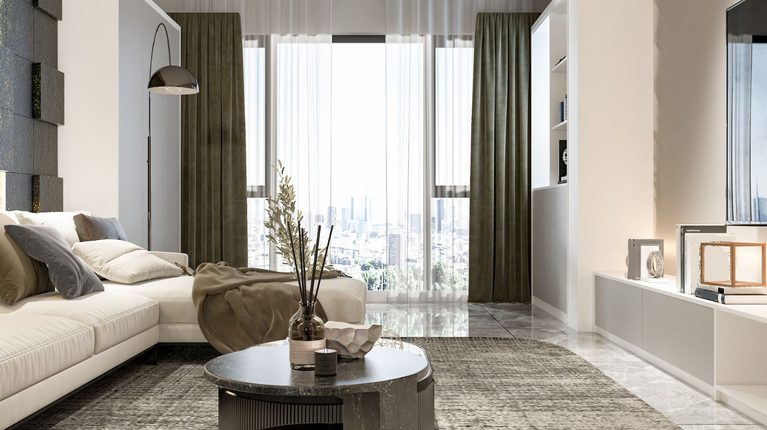
Open concept design is the backbone of functional tiny house floor plans. By removing interior walls between the living area, kitchen, and dining space, you eliminate the visual clutter of doorways and hallways that would waste precious square footage.
In a 500–800 square foot tiny house, open concept isn’t optional, it’s the difference between a cramped box and a livable home. The living room and kitchen merge into one visual and functional zone, making the space feel larger and allowing one person to cook while another works or watches from the other side. Sight lines matter: if someone in the bedroom can see the full living area, the home doesn’t feel like a maze.
But, open concept requires thoughtful zoning. Use consistent flooring materials, ceiling heights, or subtle color shifts to define areas without walls. A slightly elevated kitchen or dining platform creates psychological separation while keeping the space connected. Built-in shelving or a low countertop edge can serve as a visual boundary.
Ventilation is critical in open layouts. Without walls to contain cooking odors or moisture, you’ll need either a ducted range hood vented to the exterior or a high-quality recirculating hood with activated charcoal filters. Check that your hood’s CFM (cubic feet per minute) rating matches your kitchen size, typically 100 CFM per linear foot of cooktop is a baseline.
Maximizing Functionality With Multi-Use Rooms
Every square foot in a tiny house must earn its keep. A bedroom isn’t just a bedroom: it’s also a home office, closet, and occasional guest space. Walls are rarely pure dividers, they’re storage vessels for shelving, closets, or built-in desks.
Consider a primary bedroom with a built-in desk along one wall and substantial closet space along another. During the day, it functions as a workspace: at night, it’s a bedroom. The bathroom can double as a laundry room with a stacked washer-dryer unit tucked beside the toilet or in a corner alcove.
Lofted sleeping areas are common in tiny houses, though they’re less practical in single-story plans due to ceiling height constraints. Instead, murphy beds or wall beds fold up to reveal living space during the day. Quality hardware and proper wall reinforcement (typically 1.5-inch studs with blocking at manufacturer-specified heights) are non-negotiable for safety.
Examples of tiny homes under 1000 square feet with innovative multi-use designs can be found in design galleries featuring small spaces and big ideas, offering practical inspiration for layout and material choices.
Essential Features in Tiny House Designs
Certain features separate a functional tiny house from a claustrophobic failure. Start with storage. Vertical storage, shelving, cabinetry, and closets, should line nearly every wall. Wasted wall space is wasted opportunity. Built-ins are more efficient than freestanding furniture, which consumes floor area.
Lighting is equally critical. In a compact space, dark corners feel oppressive. Layer your lighting: recessed ceiling fixtures for general illumination, task lighting above the kitchen counter, and ambient lighting (small wall sconces, pendant lights) for evening comfort. Natural light from windows and skylights dramatically affects how spacious a tiny house feels, even a modest skylight or north-facing window over a sink transforms the experience.
Thermal control requires proper insulation and air sealing. Aim for R-30 to R-38 in walls and R-49 to R-60 in ceilings, depending on your climate zone. Air sealing around window frames, electrical outlets, and rim joists prevents drafts and reduces HVAC strain. A blower door test after construction reveals leaks.
Plumbing and electrical should be centralized to minimize runs and reduce material waste. Group the bathroom and kitchen back-to-back or stacked if possible. Consolidating water and drain lines cuts costs and simplifies maintenance. Same logic applies to electrical, fewer circuits and panel runs mean lower cost and easier troubleshooting.
Designs available on platforms like Homify showcase global examples of how successful tiny houses balance these essentials without sacrifice.
Budget-Friendly Tiny House Planning Tips
Tiny house costs vary dramatically by region, material quality, and whether you’re building from scratch or adapting plans. As a rough baseline, finished tiny houses cost $150–$250 per square foot in most U.S. markets, compared to $200–$400+ for conventional homes. That said, don’t confuse “tiny” with “cheap.” Mistakes are magnified in small spaces.
Material choices drive cost. Stick with durable, maintenance-light options: concrete foundations instead of wood, metal roofing over asphalt shingles (longer lifespan, easier maintenance), and quality windows with proper flashing. Saving $500 on roofing materials often costs $3,000 in repairs five years later.
Standardize dimensions where you can. Lumber comes in 2-foot, 4-foot, and 8-foot modules: designing to these increments reduces waste. Use standard 8-foot wall heights rather than custom 7.5-foot ceilings unless absolutely necessary. Standard window and door sizes are cheaper and faster to install than custom units.
Finishes don’t need to be fancy. Paint drywall yourself if you’re comfortable: hire a pro if precision matters to you. Vinyl plank flooring is durable, affordable, and DIY-friendly compared to tile or hardwood. Open shelving costs less than cabinet doors and works well in tiny spaces where visual lightness matters.
Get your plans reviewed early by your local building department. Surprises during construction, foundation corrections, framing revisions, ventilation rework, destroy budgets. Spending a few hundred dollars on plan review and preliminary feedback often saves thousands in change orders.
Construction techniques and material sourcing strategies can be refined by consulting resources like Fine Homebuilding, which provides detailed guidance on efficient building practices and cost-effective material selection.
Bringing Your Tiny House Plan to Life
Moving from plan to reality requires clarity on whether you’re building (complex, requires permits and inspections), buying a prefab tiny house (faster, but less customization), or renovating an existing small structure. Each path has different timelines, costs, and skill requirements.
If building, secure your site first. Zoning regulations vary wildly, some areas permit tiny houses only in designated villages or on acreage: others restrict them as ADUs (accessory dwelling units) in residential zones. Check setback requirements, lot size minimums, and whether your county or municipality recognizes tiny houses. Some jurisdictions treat them as RVs or mobile homes rather than permanent dwellings, which affects financing and insurance.
Permits are non-negotiable for permanent structures. A “quick build in the woods without permits” might save money upfront but will create headaches with utilities, insurance, and future resale. Permits exist to ensure structural safety, proper egress, safe electrical and plumbing systems, and appropriate ventilation, all things that matter when a family lives there full-time.
Assemble a practical team: an architect or designer familiar with tiny house codes, a general contractor experienced in small-scale work, and a local building inspector who can advise during design. Mistakes caught early cost far less than framing errors discovered mid-build.
Start with material mockups and mockup assembly. Building a full-scale corner of your kitchen or bathroom from actual materials, studs, drywall, flooring, fixtures, reveals spatial issues and helps refine dimensions before cutting final materials. It takes a day or two but often prevents expensive revisions later.
Conclusion
One story tiny house floor plans offer a practical, accessible path to affordable and sustainable housing. By prioritizing open layouts, multi-use spaces, and smart material choices, you can create a home that’s both functional and genuinely comfortable. Success hinges on honest planning, early coordination with your building department, and refusing to skip prep work. Start with clear plans, get them reviewed, and build methodically, that discipline pays off in a home that actually works for daily life.