
Table of Contents
ToggleA shed tiny house, sometimes called a backyard cottage or garden room, sits at the sweet spot between a traditional shed and a full-size dwelling. It’s large enough to serve as a guest room, home office, creative studio, or income-generating rental unit, yet small enough to fit on most residential lots without major zoning headaches. Whether you’re a DIYer looking to maximize your property or homeowners seeking a creative solution to space constraints, a shed tiny house offers tangible benefits: additional square footage, potential rental income, and the deep satisfaction of building something yourself. In 2026, more homeowners are tackling this project than ever before, armed with clearer regulations, better materials, and a growing community sharing plans and lessons learned. This guide walks you through what a shed tiny house is, why it makes sense, how to plan one, and the core building steps you’ll need to get it right.
Key Takeaways
- A shed tiny house, typically 200–800 square feet, offers homeowners additional square footage, rental income potential, and a manageable DIY building project on existing residential lots.
- Before starting construction, verify local zoning laws and building codes with your planning department, as ADU regulations and footprint restrictions vary significantly by jurisdiction.
- Budget $80–$150 per square foot for a finished shed tiny house; a 400-square-foot unit typically costs $32,000–$60,000 in materials, with total project costs reaching $75,000–$120,000 when labor is included.
- Proper foundation design, precise roof framing, and thorough air-sealing before insulation are critical to prevent frost heave, water intrusion, and structural damage in your shed tiny house project.
- Maximize small spaces through vertical storage solutions, flexible open-plan layouts, abundant natural light, and high-quality interior finishing that makes a compact footprint feel intentional and complete.
What Is a Shed Tiny House?
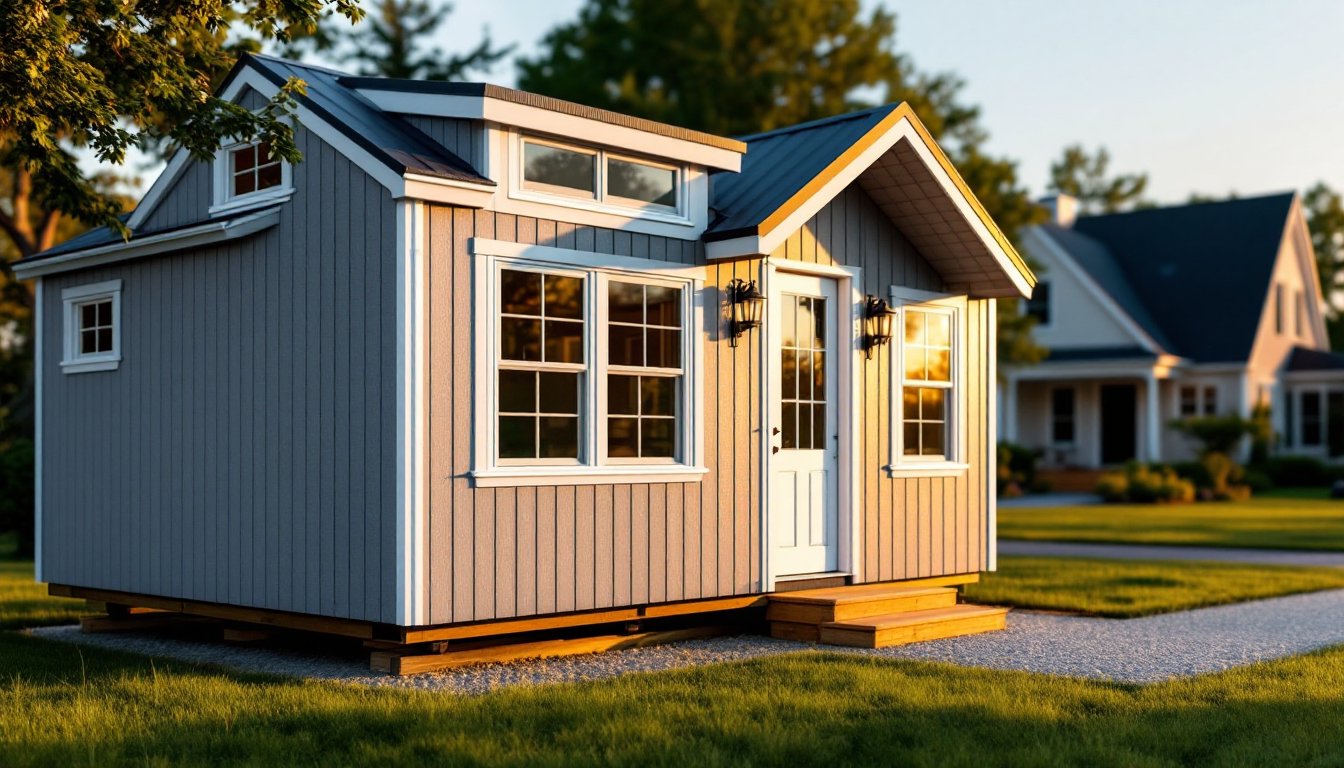
A shed tiny house is a small, self-contained residential structure, typically 200 to 800 square feet, built on a residential property as a secondary dwelling or accessory unit. Unlike a conventional storage shed, it’s insulated, climate-controlled, and outfitted with the essentials: plumbing, electrical systems, heating, and sometimes a full kitchen and bathroom.
These structures come in several flavors. Some sit permanently on a foundation (like a real house), while others are built on trailers for mobility. Footprints range from under 200 square feet for a compact studio up to 800 square feet for a small two-bedroom layout. The simplest designs use a rectangular or gable-roof form, think a classic barn shape, which minimizes framing complexity and material waste.
The term “shed tiny house” blurs the line between a garden shed and a dwelling. A building inspector might classify it differently depending on your jurisdiction: some see it as an accessory dwelling unit (ADU), others as a detached dwelling, and some regions still lump it under “storage structures” until it includes certain utilities. That’s why understanding your local building code is critical before you break ground.
Advantages of Shed Tiny Houses for Homeowners
The appeal is straightforward. First, you’re adding livable square footage to your property without purchasing or selling land. A finished shed tiny house can increase property value, serve as a rental income stream (where zoning allows), or provide housing for aging parents or adult children without a full second mortgage.
Second, the build is more forgiving than a full house. You’re not breaking ground on a 2,500-square-foot footprint: you’re managing a smaller, tighter project. Material costs are lower, the timeline is shorter (often 6 to 12 months for a DIY or semi-DIY build), and permitting is usually lighter, though it varies wildly by location.
Third, a shed tiny house lets you flex your DIY skills in a meaningful way. You can handle framing, exterior cladding, insulation, and interior finishing yourself, learning as you go. You’re not betting your family home on a mistake: you’re building a contained, recoverable project.
Finally, there’s the lifestyle angle, without the fluff. A dedicated studio space, guest quarters, or rental unit gives you flexibility that renting out a spare bedroom doesn’t. You control access, can set boundaries, and create a truly independent space.
Planning Your Shed Tiny House Project
Before sawdust flies, you need a clear plan. Start with local zoning and building codes. Call your planning department and ask: Does my district allow ADUs? What’s the maximum footprint and height? Do I need a setback from property lines? Can I rent it out? Some jurisdictions have opened ADU rules in the last few years, but others remain restrictive. Get this in writing.
Next, choose your footprint and style. A simple 16′ × 24′ (384 square feet) rectangle is a workhorse size, big enough for a studio apartment or small guest house, but not so sprawling that you’ll fight with foundations and framing complexity. A gable roof (two slopes meeting at a peak) sheds water well and looks less alien on a residential lot than a flat roof.
Decide on your foundation. A permanent concrete pad or frost-protected shallow foundation (FPSF) ties you to the location but is simpler and cheaper than a full basement. A treated wood skirt with adjustable piers (common for tiny houses on land) allows some flexibility. If mobility is the goal, a trailer frame adds complexity and cost but keeps your options open.
Budgeting and Cost Considerations
Cost estimates vary wildly by region, material choices, and whether you’re DIY-ing the whole thing or hiring labor. A rough baseline: expect $80 to $150 per square foot for a finished shed tiny house, depending on finishes. That means a 400-square-foot unit might run $32,000 to $60,000 in materials alone. Add labor or contractor markup, and you could hit $75,000 to $120,000.
Break this into line items: foundation ($5,000–$15,000), framing and roof ($8,000–$15,000), exterior cladding and roofing ($6,000–$12,000), insulation and drywall ($5,000–$10,000), plumbing and electrical ($8,000–$15,000), and interior finishes ($10,000–$20,000). These are ballpark figures: your market, material grade, and DIY effort will shift them significantly.
To keep costs down, source materials locally, buy during off-season if possible, and be realistic about what you can DIY versus what needs a licensed electrician or plumber. Most jurisdictions require licensed professionals for certain systems, and trying to cut corners here can create liability and insurance headaches.
Essential Steps to Build Your Shed Tiny House
The build itself follows familiar steps: site prep, foundation, framing, roofing, exterior cladding, insulation, windows and doors, interior rough-ins (plumbing and electrical), drywall, and finishing. But each step has pitfalls specific to small structures.
Foundation and Framing Basics
Start with the foundation. If you’re going permanent, a concrete pad should be at least 4 inches thick, properly sloped for drainage (about 1/8 inch drop per foot away from the structure), and built on undisturbed or properly compacted soil. Most codes require frost protection below the freeze line in cold climates, that often means an FPSF design with insulation around the perimeter. Do not skip this step: frost heave can wreck a structure faster than poor framing.
For framing, use standard lumber sizes: 2×6 studs spaced 16 inches on center for walls (or 24 inches if you’re trying to save material and understand load paths). A 2×8 or 2×10 band board around the perimeter ties everything together. Keep your roof pitch reasonable, a 6:12 or steeper pitch is standard in snowy regions and sheds water faster, but it uses more lumber than a 4:12.
Frame the roof with 2×6 or 2×8 rafters, depending on span and snow load in your area. If you’re handy with a miter saw, cut your bird’s mouth (the notch where the rafter sits on the top plate) and collar ties (horizontal beams tying opposite rafters together) precisely. Sloppy roof framing can lead to sagging and water intrusion that no amount of drywall will fix.
Use 1/2-inch exterior plywood sheathing over the frame and under the roofing material. This braces the structure and gives your roofing layer something solid to attach to. Don’t skimp on fasteners: nails or screws should be spaced per code, usually 6 inches around edges and 12 inches in the field.
For insulation, aim for R-20 to R-30 in walls (depending on your climate zone) and R-40 to R-60 in the roof. Fiberglass batts are cheap and DIY-friendly, but they demand a tight install, gaps and compression reduce performance drastically. Blown-in cellulose or spray foam give better air-sealing but cost more and may require professional installation. Remember: insulation without air-sealing is like bringing an umbrella to a hurricane. Seal gaps around windows, doors, and utilities before you insulate, and use a quality vapor barrier or air-sealing membrane behind drywall.
Permitting and inspections happen at framing and after sheathing. Have your plans stamped by a designer or engineer if required, and schedule inspections before you cover work with drywall. Inspectors need to see the framing, electrical rough-in, and plumbing before they’re hidden.
Interior Design Ideas for Small Spaces
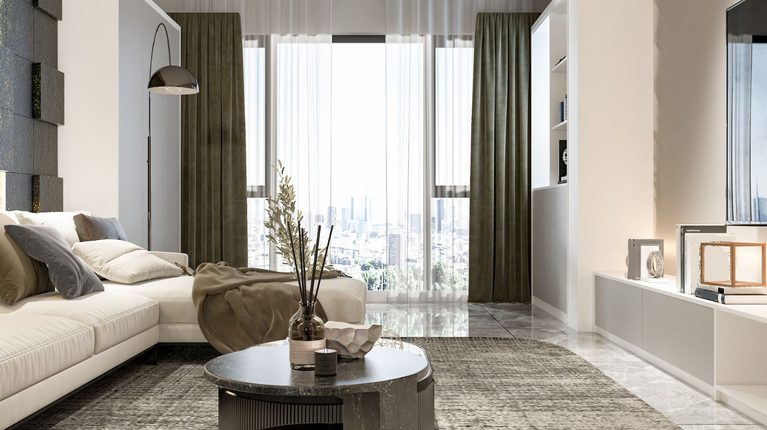
Once the shell is dried in, interior finishing is where personality emerges. In 400 square feet, every choice matters, not just aesthetically, but functionally.
Maximize vertical space. Tall shelving, wall-mounted storage, and lofted beds eat zero floor area while adding cubic footage of storage. Many DIYers build custom shelving from 2×10 pine or plywood, supporting it with 2×4 cleats bolted to studs. This is easier than you’d think and cheaper than buying modular systems. Resources like Ana White’s free DIY furniture plans offer proven designs for loft beds, shelving, and compact kitchens that fit tight spaces perfectly.
Choose flexible layouts. An open-plan kitchen, living, and sleeping area (with a separate bathroom) feels larger and adapts to different uses, office space by day, guest bed by night. Avoid fixed walls between these zones unless you need acoustic separation or privacy for a rental unit.
Light and color open things up. Large windows (within budget and code setback rules) flood a small space with natural light and blur the boundary between inside and outside. Pale interior colors reflect light: dark paint can make a tiny house feel like a cave. That said, an accent wall in a deeper tone or patterned wallpaper adds character without overwhelming the space.
Built-in seating along a window, a murphy bed that folds into a wall, or a kitchen island that doubles as a dining table are classics for a reason. They work hard and don’t waste floor area. If you’re comfortable with basic carpentry, these are achievable DIY projects.
Finish work is where many DIYers get impatient and leave quality on the table. Take time with joint compound, primer, and paint. Caulk gaps between trim and walls, and sand between coats. A 400-square-foot space with sloppy finishing reads loudly: a small space with crisp details feels intentional and complete. If you’re planning to rent it out or sell the property later, finish quality directly impacts appeal and valuation.
The modern shed design trend, think clean lines, quality materials, and a blend of rustic and contemporary aesthetics, translates well to tiny houses. Resources discussing contemporary approaches to small structures show that thoughtful design choices matter more than square footage in creating a space people actually want to inhabit.