
Table of Contents
ToggleA 600-square-foot tiny house sits at a practical crossroads. It’s large enough to avoid feeling cramped, you can fit a separate bedroom, a modest kitchen, and a genuine living area, yet small enough to be genuinely affordable and manageable for one person, a couple, or even a small family. Unlike sprawling homes, a 600 sq ft space demands intentional design and smart choices from day one. But here’s the honest truth: when done right, this size feels spacious because every inch serves a purpose. This guide walks through the principles, layouts, and practical solutions that make 600-square-foot tiny houses livable, comfortable, and stylish.
Key Takeaways
- A 600 sq ft tiny house strikes the ideal balance between affordability and livability by providing genuine room separation with a bedroom, kitchen, and living area without the cost burden of larger homes.
- Open floor plans combined with partial divisions, vertical storage, and natural light are the core design principles that make 600 sq ft spaces feel spacious and functional.
- Multi-functional furniture like Murphy beds, ottomans with storage, and built-in features maximize the utility of every square foot while keeping floor space clear and walkable.
- Smart layout placement—positioning bedrooms away from living areas, kitchens along exterior walls, and using pocket doors—creates better privacy and flow in a 600 sq ft home.
- Light, neutral paint colors, continuous flooring, and layered lighting transform a 600 sq ft space aesthetically while LED bulbs keep operational costs minimal.
- Intentional design and decluttering in a 600 sq ft tiny house naturally encourage owning only what you need, making the space feel liberating rather than limiting.
Why 600 Sq Ft Is the Sweet Spot for Tiny Home Living
The 600-square-foot footprint has earned its reputation as the Goldilocks zone of tiny living. Unlike 300-square-foot studios where you’re essentially living in one multipurpose room, 600 sq ft allows genuine spatial separation. You can close a bedroom door. A kitchen can have counter space without feeling like a galley. Storage doesn’t require architectural wizardry, it just requires planning.
From a financial perspective, 600 sq ft keeps construction and utility costs predictable. Heating and cooling become manageable with standard HVAC equipment: you’re not fighting the inefficiencies of tiny spaces or the sprawl of oversized homes. Land costs matter too: a small footprint lets you choose location over square footage, which often matters more for livability and resale value.
More importantly, 600 sq ft challenges you to own intentionally. Every piece of furniture and decoration has to earn its place. This naturally pushes people toward clarity about what they actually need versus what they think they should want. It’s a psychological reset that many DIYers and homeowners find genuinely freeing.
Essential Design Principles for Maximizing Space
Successful 600-square-foot homes rely on a handful of core design moves that repeat across layouts.
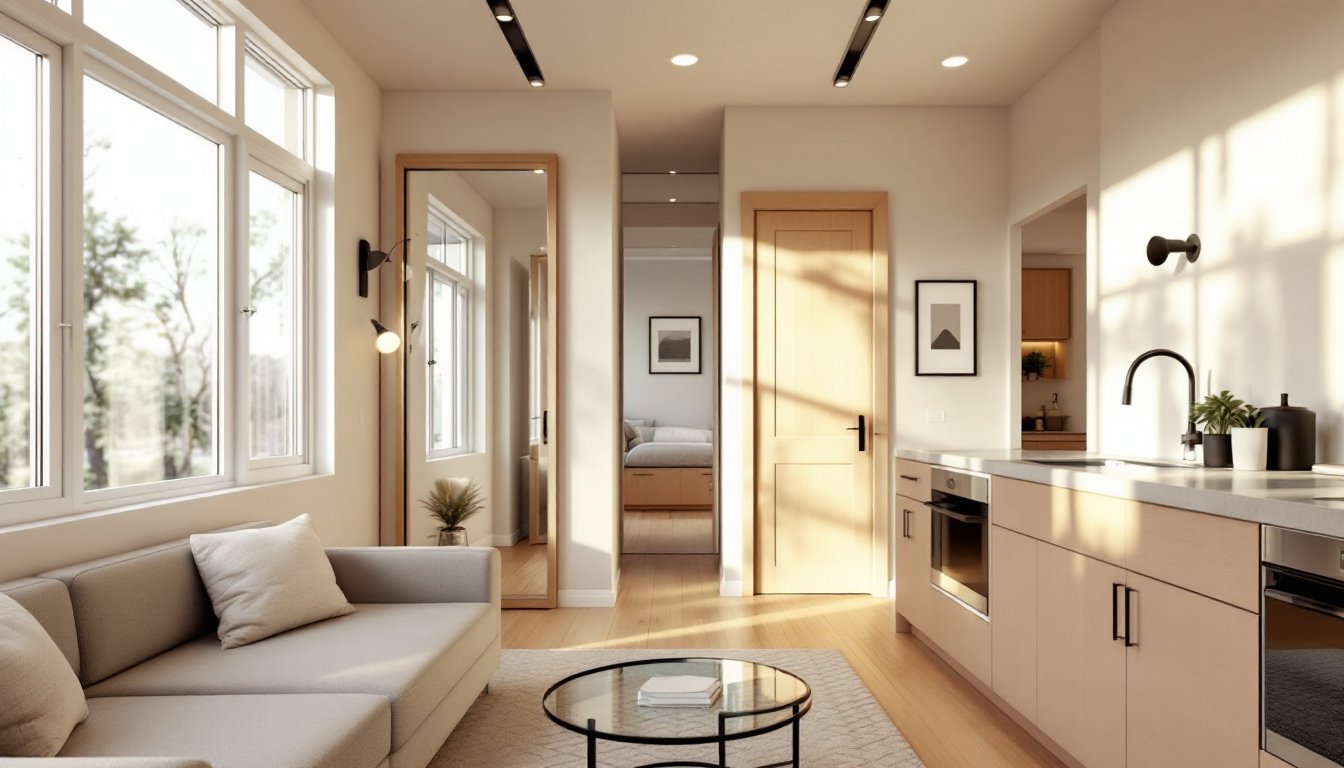
First, open floor plans rule here, not because they’re trendy, but because visual openness makes tight spaces feel larger. Keeping the living, kitchen, and dining zones connected with minimal walls or full-height partitions creates sight lines that trick the eye into perceiving more room. That said, total openness creates acoustic chaos and cooking smells spreading everywhere, so partial divisions work better in practice. A half-wall, sliding barn door, or even a wide threshold without a full door gives you both sight lines and subtle separation.
Second, vertical storage and usable wall space become currency. Tall shelving, wall-mounted desks, and cabinets that run to the ceiling maximize every inch while keeping floor space clear and walkable. Floor clutter shrinks a room faster than low ceilings: keeping surfaces and walkways unobstructed is nonnegotiable.
Third, natural light transforms small spaces. Large windows and strategic skylights don’t just improve mood, they literally make rooms feel larger because you can see deeper into the space. Reflective surfaces (light paint, mirrors, polished wood) bounce light around and enhance the effect.
Multi-Functional Furniture and Built-In Storage
In a 600 sq ft home, a coffee table that doesn’t offer storage is wasted opportunity. Look for ottomans with hidden compartments, beds with drawers underneath, or nesting tables that collapse when not needed. Built-in benches along windows combine seating, storage, and visual lightness compared to standalone furniture.
Murphy beds deserve mention here because they actually work in 600 sq ft homes, they convert a bedroom or office into extra living space during the day. A quality mechanism (look for heavy-duty hardware rated for your mattress weight) runs $800–$2,000 installed, but you’re buying back 40–60 square feet of functional space. Budget for professional installation: DIY setups often fail because the mounting and balance require precision.
IKEA and similar flat-pack furniture get unfairly dismissed by design snobs, but they excel in small spaces where custom cabinetry costs $5,000+ per linear foot. Modified IKEA units, with custom doors, paint, or creative IKEA hacks, deliver 80% of the visual impact at 20% of the cost. The trick is choosing solid base units and then investing in finishes that feel intentional.
Practical Layout Strategies That Actually Work
A proven formula for 600 sq ft includes: one bedroom (120–150 sq ft), one full bathroom (35–50 sq ft), a combined kitchen-dining zone (120–150 sq ft), and a living room (150–200 sq ft), with hallways and entry eating the remaining 150 sq ft or so.
But the real skill is arranging that footprint to feel balanced. Bedrooms shouldn’t face directly into the living room, that kills privacy and makes the bedroom feel cramped. A hallway or angled entrance works better. Kitchens work best against an exterior wall (easier plumbing and venting for range hoods) and ideally adjacent to the dining/living zone so cooking doesn’t feel isolated.
Bathrooms benefit from proximity to the bedroom but not directly visible from the living space. A pocket door (slides into the wall frame rather than swinging) saves 10 square feet compared to a standard hinged door, a meaningful gain in small homes. Ensure the bathroom has an exhaust fan rated for the room’s square footage (typically 50–100 CFM) and ducted to the exterior, not into an attic. Building codes (International Residential Code) require this to prevent mold and moisture damage.
Real-world examples of 600 sq ft homes show that how you arrange the pieces matters more than the pieces themselves. A collection of tiny homes under 600 feet demonstrates the range of approaches, some favor a master suite and minimal living space, others minimize bedrooms and maximize communal areas. Your layout should match actual use patterns, not assumed ones.
Finishing Touches: Decor and Aesthetics on a Compact Budget
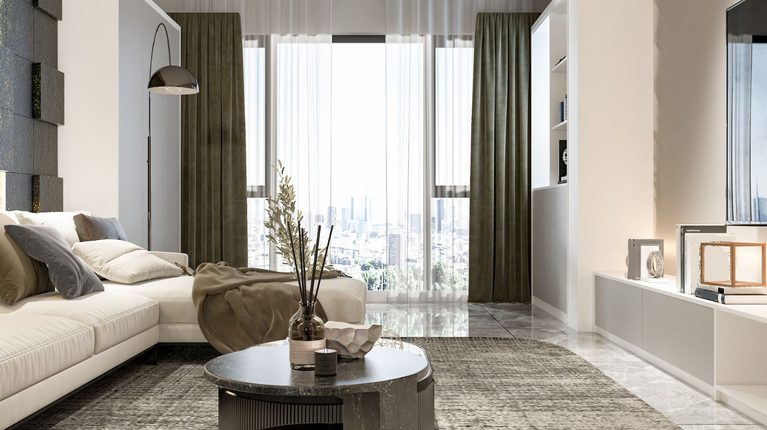
Paint color sets tone in small spaces faster than anything else. Light, neutral walls (soft whites, warm grays, pale greiges) expand visual space, while accent walls in deeper tones can ground a zone without overwhelming it. Avoid heavily patterned wallpaper unless you’re committing to one focal wall: it visually compresses the whole room.
Flooring should flow continuously, transitioning between zones with different materials (tile to wood, for example) instead of hard lines. Consistent flooring makes the space feel unified rather than chopped into pieces. Stained concrete or polished concrete works beautifully in modern tiny homes and costs less than traditional hardwood while delivering durability.
Lighting layers prevent the harsh, shadowless feel of single overhead fixtures. Combine ambient light (ceiling fixture or track lights), task lighting (desk or kitchen undercabinet strips), and accent lighting (wall sconces, reading lamps) on separate switches so you can set mood. LED bulbs have made this affordable: a small room needs only 40–50 watts of actual light output, which costs pennies to run.
Decor choices should lean intentional. One statement piece beats six tentative attempts. A single good piece of art, a well-chosen rug, or quality textiles (throw pillows, blankets) do more than scattered cheap items. Decluttering and simple living strategies align naturally with small-space design, what you keep should be functional, beautiful, or both.
Budget bathroom upgrades focus on hardware and lighting. A new faucet ($150–$400), updated lighting fixture ($80–$250), and fresh caulk can transform a dated bathroom without gutting it. Paint the vanity cabinet instead of replacing it, many small bathrooms have perfectly good bones buried under dated finishes.
Conclusion
A 600-square-foot tiny house rewards clear thinking and thoughtful design more than unlimited budget. The constraints force intentionality, in layout, in material choices, in what you actually keep. Start with honest layout that matches how you live, layer in smart storage and multi-use pieces, and finish with restraint in decor. Done right, 600 sq ft doesn’t feel like settling: it feels like clarity.