
Table of Contents
ToggleYou’ve spotted something rolling into a tight ball in your bathroom, and now you’re wondering what it is and whether you should worry. Pill bugs, those small, gray, armored-looking creatures, are actually harmless to humans and your home structure, but their presence often signals a moisture problem you’ll want to address. Unlike cockroaches or termites, pill bugs (also called roly-polies or wood lice) aren’t pests that cause damage, but finding them indoors means your home’s humidity and ventilation need attention. This guide walks you through identifying the problem, removing pill bugs safely, and preventing them from setting up camp in your house.
Key Takeaways
- Tiny pill bugs in your house are harmless crustaceans that signal a moisture problem rather than structural damage, requiring attention to humidity and ventilation.
- Manual removal combined with dehumidification (set to 50% humidity or lower) eliminates most pill bug problems within weeks without chemicals.
- Seal foundation cracks wider than 1/8 inch, fix water leaks, and improve air circulation in basements and crawl spaces to prevent pill bugs from returning.
- Concentrated clusters of pill bugs near baseboards, basement windows, or leaky pipes indicate nesting spots and higher-than-normal indoor humidity levels.
- If dehumidification and sealing don’t resolve the issue within 4-6 weeks, consult a moisture specialist or pest control professional to address underlying structural or drainage problems.
What Are Pill Bugs and Why Are They in Your House?
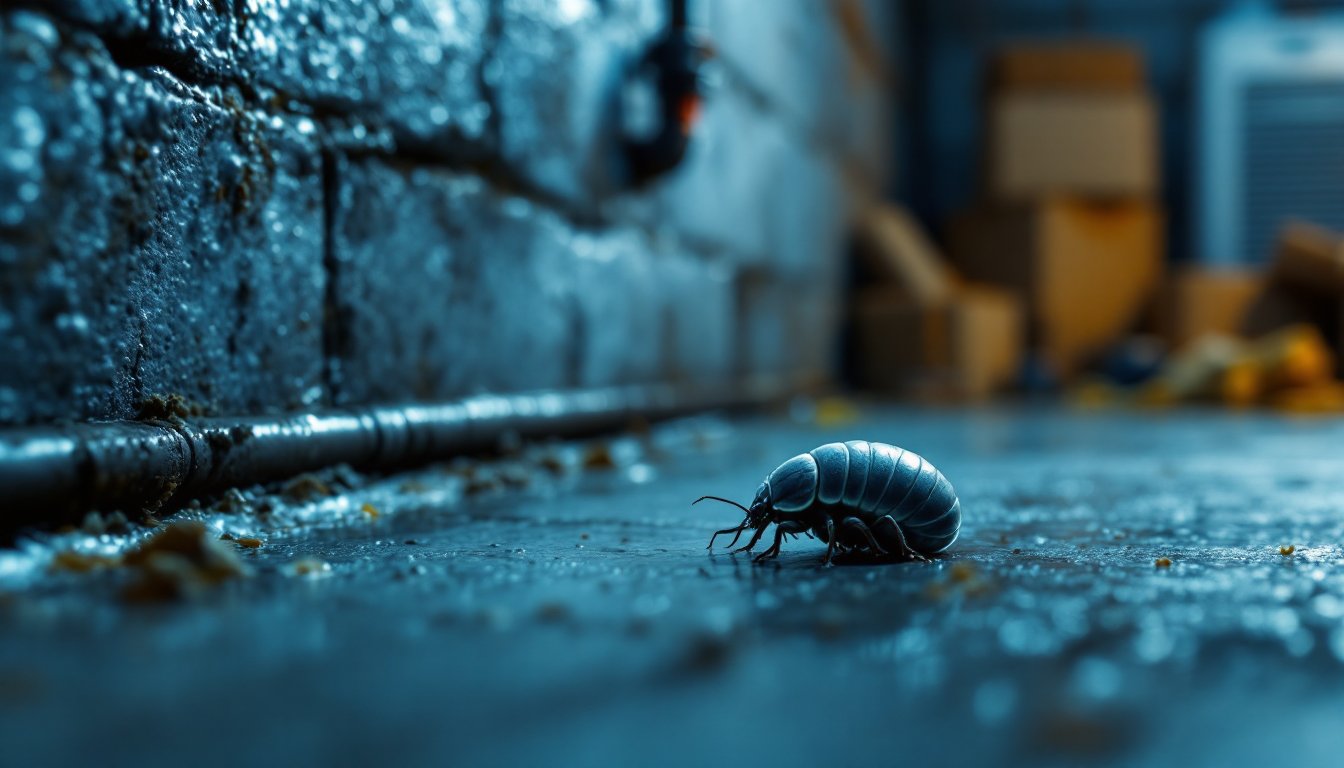
Pill bugs are small crustaceans (yes, related to shrimp and crabs, not insects) that live outdoors in damp soil, leaf litter, and decaying wood. They’re typically gray or brown, about the size of a pea to a small bean, and have an oval, segmented body that curls into a ball when threatened. They breathe through gills, which means they need moisture to survive, they’ll dry out quickly without it.
They end up indoors for one reason: your house is too humid or damp. Pill bugs don’t actively invade like ants or termites: they wander in searching for moisture and shelter. They often enter through foundation cracks, gaps around basement doors, or crawl spaces with standing water. If you’re seeing them regularly, your home likely has a moisture problem in basements, crawl spaces, or poorly ventilated bathrooms. The good news is that pill bugs eat only decaying plant matter and fungi, they won’t touch your framing, insulation, or stored food. They’re a symptom, not the real problem.
Signs You Have a Pill Bug Problem
Most homeowners discover pill bugs by sight, spotting one or two crawling in a basement corner or bathroom. But a few other clues suggest they’ve moved in:
- Seeing them regularly. One or two pill bugs are likely strays. If you’re finding several per week, especially in the same areas, they’re breeding in or near your house.
- Concentrated clusters. Pill bugs gather in the dampest spots. If you find groups under baseboards, near basement windows, or around leaky pipes, that’s where they’re nesting.
- Year-round sightings. They’re most active in spring and fall when humidity rises, but if you see them in winter, your indoor humidity is probably too high.
- Basement or crawl space presence. These are their preferred indoor zones because they’re naturally damp and dark.
Unlike a termite infestation, a pill bug problem isn’t an emergency. But it’s a signal to investigate your moisture situation. Check for standing water in basements, condensation on pipes or windows, poor drainage around your foundation, or blocked gutters. These moisture sources draw pill bugs and can lead to mold, wood rot, or structural issues down the road.
Quick Removal Methods That Work
Before reaching for chemicals, try these straightforward removal tactics. They’re safe, non-toxic, and often work just as well.
Manual removal is the fastest fix for a small problem. Walk around with a damp cloth or paper towel, spot pill bugs, and scoop them up (they’re harmless to touch). Drop them into a sealed bag or container, take them outside at least 10 feet from your foundation, and release them into landscaping or mulch where they belong. This takes 10 minutes and costs nothing. If you spot them at night with a flashlight, they’re even easier to find and collect.
Dehumidification removes the condition that attracts them. A dehumidifier in the basement or crawl space (set to 50% relative humidity or lower) makes your home inhospitable to pill bugs within days. They’ll stop entering and any that are present will leave. This also prevents mold, musty odors, and wood decay, a win on multiple fronts.
Removing shelter limits where they can hide and breed. Seal cracks and gaps in basement walls and foundations using concrete caulk or foam sealant. Clean up piled boxes, stored wood, or damp cardboard in basements, these are pill bug havens. Improve ventilation in crawl spaces by installing a vapor barrier (6-mil plastic sheeting) and ensuring vents aren’t blocked.
Natural and Chemical Solutions
If manual removal and dehumidification don’t work within a week or two, try targeted treatments.
Diatomaceous earth (food-grade) is a natural powder that damages pill bug exoskeletons and causes dehydration. Sprinkle it lightly around baseboards, near entry points, and in corners where you’ve spotted them. Reapply after vacuuming and keep it dry: it’s ineffective when wet. Wear a dust mask when applying to avoid inhaling particles. It’s non-toxic to humans and pets and works slowly (typically 3-7 days), but it’s effective.
Boric acid powder is a stronger option and kills pill bugs faster than diatomaceous earth. Apply it sparingly in areas pill bugs frequent, away from pet food and children’s reach. Wear gloves and a mask during application. It’s slightly toxic if ingested, so use caution. This solution kills most pill bugs within 48 hours.
Insecticide sprays (containing pyrethrins or synthetic pyrethroids) kill on contact and are available at any hardware store. Spray baseboards, cracks, and damp corners thoroughly. Follow the label instructions carefully, ventilate the area, and keep pets and kids away until dry. These are effective but overkill for a minor problem, reserve them for heavy infestations.
Sticky traps placed along walls and in corners trap pill bugs but won’t eliminate the underlying moisture problem. Use them to monitor activity rather than as a primary solution.
For most homeowners, a combination of manual removal, dehumidification, and sealing cracks solves the problem within a few weeks without chemicals.
How To Prevent Pill Bugs From Returning
Once you’ve cleared out pill bugs, focus on making your home uninviting to them.
Control moisture aggressively. Fix water leaks immediately, dripping pipes and slow roof leaks are pill bug magnets. Grade soil away from your foundation so rainwater doesn’t pool near the house. Clean gutters twice a year and extend downspouts at least 4-6 feet from the foundation. In basements and crawl spaces, install sump pumps if there’s standing water, and run a dehumidifier during damp months (spring, fall, and winter).
Seal entry points. Walk the foundation perimeter and basement exterior, looking for cracks wider than 1/8 inch. Use concrete caulk for small cracks and expanding foam for larger gaps. Pay special attention to areas where pipes or utilities enter the house, these are common entry routes. Install door sweeps on basement doors and exterior doors that touch the ground.
Improve air circulation. Crawl spaces should have at least 1 square foot of vented opening per 150 square feet of crawl space (check your local building code). Ensure soffit and foundation vents aren’t blocked by debris or insulation. Bathrooms and laundry rooms need functional exhaust fans vented outdoors (not into the attic). Kitchen hoods should vent outside, too.
Remove attractants around the exterior. Keep mulch, wood piles, and leaf litter 6-12 inches away from the foundation. These are pill bug habitats. Don’t leave potted plants sitting directly on soil against the house, use saucers and elevate them. Trim vegetation so it doesn’t touch the siding.
Ventilate stored items. If you keep boxes or fabrics in the basement, use sealed plastic containers rather than cardboard. Cardboard becomes damp and mold grows on it, both attract pill bugs. Keeping the basement dry and well-ventilated eliminates this problem naturally.
When To Call a Professional Pest Control Service
In most cases, homeowners can handle pill bugs themselves. But if you meet these conditions, hiring a professional makes sense.
You have severe water intrusion. If your basement floods regularly or there’s standing water you can’t control, a structural or drainage issue exists that’s beyond DIY repair. A basement waterproofing contractor or engineer should assess and fix the problem. According to home organization experts, addressing moisture at the source prevents long-term damage and pest issues.
The infestation is widespread and persistent. If you’re finding dozens of pill bugs weekly even though weeks of dehumidification and sealing, a pest control professional can apply targeted treatments to crawl spaces and foundation perimeters. They have access to products homeowners don’t and can treat inaccessible areas.
You have a crawl space you can’t inspect. If your crawl space is too tight or cluttered to navigate, a professional can assess moisture, ventilation, and entry points and recommend structural fixes. They might suggest encapsulation (sealing the entire crawl space), which prevents pest and moisture problems long-term.
Underlying moisture problems exist. Persistent pill bugs often indicate unresolved moisture, poor grading, clogged gutters, plumbing leaks, or HVAC condensation. If dehumidification and sealing don’t solve the problem within 4-6 weeks, consult a home inspector or moisture specialist. According to cleaning tips from trusted sources, addressing root causes prevents repeat infestations.
A typical pest control service costs $150-$400 for an inspection and treatment plan. It’s worth the investment if you’re stuck or if the problem hints at structural concerns.
Conclusion
Pill bugs are a nuisance, but they’re also a message from your home: your moisture control needs attention. Start with manual removal and dehumidification, seal cracks, fix drainage issues, and improve ventilation. These steps eliminate pill bugs and protect your home from mold, wood rot, and bigger pest problems. In most cases, you won’t need chemicals or professionals, just a clear head and a dehumidifier.