
Table of Contents
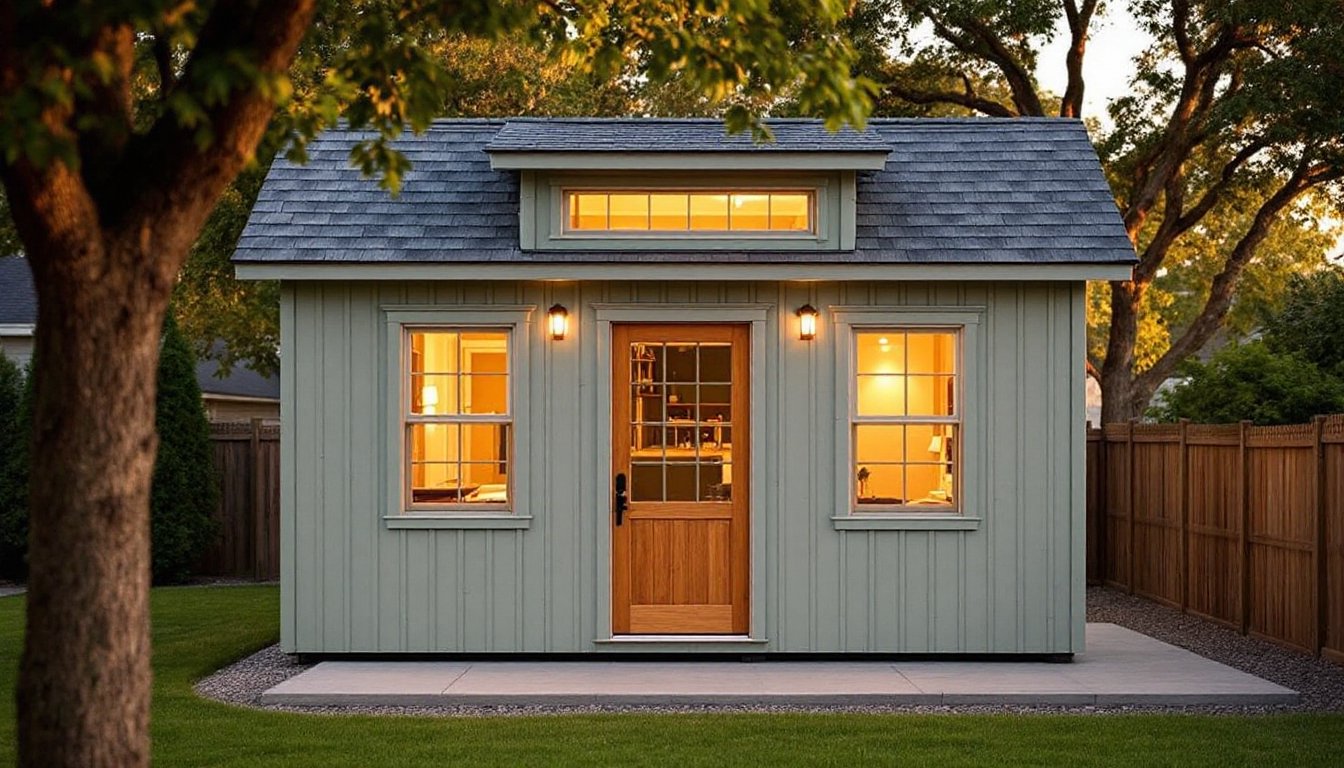
ToggleA tiny shed house, a compact, self-contained structure built in your backyard, offers an affordable way to add functional living space without a major renovation. Whether you’re looking for a guest room, home office, studio, or additional rental income, a tiny shed house delivers flexibility that traditional additions can’t match. In 2026, more homeowners are turning to this practical solution to expand their property’s usability while keeping costs manageable and minimizing disruption to their main residence.
Key Takeaways
- A tiny shed house offers an affordable, fast alternative to traditional home additions, costing $15,000–$35,000 for a 200-square-foot structure and taking just 8–16 weeks from permit to move-in.
- Always check local zoning laws and building permit requirements before designing your tiny shed house, as regulations vary widely and skipping permits creates legal and financial risks.
- Maximize space in a tiny shed house with vertical storage, multi-use furniture, large south-facing windows, and open floor plans rather than interior walls.
- Use standard, cost-effective materials like 2×4 framing, asphalt shingles, vinyl plank flooring, and PEX tubing, while prioritizing energy-efficient windows and proper insulation to reduce long-term utility costs.
- Hire licensed professionals for electrical and plumbing work to ensure code compliance, even if you’re DIY-ing other aspects of the build.
What Is a Tiny Shed House and Why Homeowners Are Choosing Them
A tiny shed house is a small, finished building, typically ranging from 100 to 500 square feet, that sits on your property and functions as a complete living space. Unlike a storage shed or studio with no utilities, a tiny shed house includes essential systems: electrical wiring, plumbing, heating, and cooling. It has a floor, walls, insulation, and a roof built to weather standards, making it genuinely livable year-round.
Homeowners are adopting tiny shed houses for several practical reasons. First, they cost significantly less than adding a second story or a full-size addition to your home. Second, they’re faster to build, often taking weeks instead of months. Third, they provide independent income through rental (as an Airbnb-style guest cottage or long-term tenant space) or serve personal needs like a home office, art studio, or guest suite. The appeal lies in flexibility: you own a separate, functional building that doesn’t require moving your family or closing off your kitchen during construction. Modern designs also sidestep some zoning restrictions that prevent traditional additions. Whether you’re adding real estate value or solving immediate space constraints, a tiny shed house delivers tangible returns on a modest investment.
Essential Planning Steps Before Building Your Tiny Shed House
Before you order materials or swing a hammer, spend time on the planning phase. This is where most DIY projects either succeed or stall. Start by measuring your lot, identifying utility lines (water, gas, electric, sewer), and understanding your property’s drainage and sun exposure. Walk the footprint at different times of day to spot shade, wind patterns, and sight lines from your home and neighbors’ homes.
Next, decide on size and basic layout. A tiny shed house under 200 square feet keeps costs low and avoids many zoning complications. Sketch a rough floor plan: loft bedroom, kitchenette, full bath, and living area are common for a 200-square-foot layout. Don’t overthink the design yet, focus on function.
Set a realistic budget. Material costs vary by region and quality tier, but a basic 200-square-foot structure typically runs $15,000–$35,000 in labor and materials (excluding land and foundation). Add 15% contingency for surprises. If you’re hiring contractors, get three written quotes that break down labor, materials, and timelines. Homeowners often underestimate utility connections, grading, and finishing: these can easily add 20–30% to the project cost.
Create a timeline. Even a small structure takes 8–16 weeks from permitting to move-in, depending on complexity and seasonal weather. Plan for permits to take 4–6 weeks in many jurisdictions.
Zoning Laws and Local Permits You Need to Know
Zoning laws and permitting are the legal gatekeepers of your tiny shed house project. Before you design anything, call your local planning or zoning department and ask three specific questions:
-
Are accessory dwelling units (ADUs) or tiny houses allowed on residential lots? Many municipalities now permit them, but some don’t. If they are allowed, what’s the maximum size, setback requirements, and owner-occupancy rules?
-
Do I need a building permit? In most jurisdictions, any structure over 120 square feet with utilities requires a permit. Some areas require permits for anything over 200 square feet. Skipping permits may seem fast, but it creates title issues, insurance problems, and massive liability if something goes wrong.
-
What are the utility connection requirements? Will your local health department allow a septic system, or must you connect to municipal sewer? Can you tap into water and electric, or do you need separate meters? These rules vary widely and directly affect your budget and feasibility.
Most jurisdictions require detailed plans (typically drawings prepared by an architect or designer), an electrical plan stamped by a licensed electrician, and in some cases, a structural engineer’s review. Budget $1,500–$3,000 for professional plans if you’re not drawing them yourself.
Permits typically cost 1–2% of the structure’s estimated value. A $25,000 shed house might require a $250–$500 permit fee, though this varies. Getting permitted adds 4–8 weeks to your timeline but protects your investment and your property’s legal standing. Skipping it is almost never worth the short-term savings.
DIY Design Ideas to Maximize Space and Functionality
Space is precious in a tiny shed house, so every design choice matters. Think vertically: loft bedrooms, tall shelving, and wall-mounted storage reclaim floor area. Combine functions, a kitchen island can serve as dining, workspace, and storage. Choose multi-use furniture: a bed with built-in drawers, a sofa that folds into a bed, or a desk that tucks against the wall.
Natural light and color make small spaces feel bigger. Large windows on multiple walls (south and east-facing for passive solar warmth in winter) reduce the need for artificial lighting and create a sense of openness. Light, neutral wall colors and reflective finishes bounce light around. A skylight or clerestory windows add brightness without sacrificing privacy.
Insulation and air-sealing are non-negotiable. A tiny space heats and cools quickly, so you’re either paying for comfort or fighting against it. Plan for R-15 to R-20 wall insulation (depending on your climate), R-30 to R-38 in ceilings, and proper air-sealing around windows, doors, and penetrations. This upfront investment saves real money in heating and cooling bills.
Mechanical systems deserve thoughtful design. A mini-split heat pump (ductless air conditioning and heating) is ideal for tiny spaces, it’s efficient, quiet, and doesn’t require ductwork. For ventilation, a small Energy Recovery Ventilator (ERV) exchanges stale indoor air for fresh outdoor air without losing conditioned heat. These systems are compact and keep the air quality high in a small, sealed building.
Layout Strategies for Compact Living
A successful layout flows without wasted space. Start by locating your bathroom and kitchen, these have the most complex plumbing and electrical demands. Cluster them on one wall to minimize pipe runs and save cost.
For a 200-square-foot layout, consider this proven breakdown:
- Living/dining area (80–100 sq ft): Main floor, open to the kitchen. Position seating to face windows and natural light.
- Kitchen (40–50 sq ft): Compact galley or L-shaped layout. Minimal counter space, but efficient. A 24-inch-deep refrigerator and a two-burner cooktop keep things lean.
- Bathroom (40–50 sq ft): Full bath with toilet, sink, and shower/tub combo. A compact design with a 30-inch-wide vanity and a 32–36-inch shower door saves space.
- Loft bedroom (60–80 sq ft): Reached by a ladder or steep stairs. Minimum 7-foot headroom in the highest point. This works well in a structure with a 12-foot ceiling height.
Open floor plans work better than walls in tiny spaces, one continuous room feels larger than several cramped ones. Use partial partitions, a change in flooring material, or a level step to define zones without closing off the space.
Designers at Dwell showcase numerous tiny house layouts that maximize daylight and minimize visual clutter. Study real examples: they’ll spark practical ideas you can adapt to your lot and lifestyle.
Budget-Friendly Materials and Cost-Effective Building Tips
Material choices directly impact your budget. Stick to standard sizes and common products: custom or exotic materials drive costs up fast.
Framing: Use standard 2×4 studs for walls (actual dimension is 1.5 inches × 3.5 inches) and 2×6 or 2×8 joists for the floor and roof. These are affordable, available everywhere, and well-understood by inspectors. Avoid complicated roof designs (hip roofs cost more than gable roofs). A simple gable roof with standard 4/12 pitch (4 inches of rise per 12 inches of horizontal run) is cheaper than steep angles.
Roofing: Asphalt shingles are the most cost-effective choice, lasting 15–20 years. Metal roofing costs more upfront but lasts 40+ years and requires less maintenance. For a tiny shed house, asphalt is fine: you can upgrade later if desired.
Exterior cladding: Vinyl siding is affordable and low-maintenance but looks basic. Fiber cement boards (like HardiePlank) cost a bit more but weather better and look more substantial. Avoid brick or stone unless you’re factoring $8–$15 per square foot of installed cost.
Flooring: Vinyl plank flooring ($2–$5 per square foot installed) mimics wood, resists moisture, and suits small spaces well. Avoid carpet in a tiny space, it traps odors and moisture. Polished concrete is trendy and cheap to pour, but can feel cold: add a rug for warmth.
Windows and doors: Don’t skimp on energy efficiency. Double-pane, low-E windows with insulated frames cost $300–$600 each, but they’re essential for a tiny space you’re heating and cooling constantly. Use one or two large windows rather than many small ones, fewer seals mean fewer leak points.
Electrical and plumbing: Use standard, readily available materials. A tankless water heater costs more upfront (roughly $800–$1,500 installed) but saves money on propane or electricity over time and frees up valuable interior space. Run all electrical in conduit for safety and flexibility. PEX tubing for water lines is cheaper and faster to install than copper, and it’s now code-compliant almost everywhere.
Insulation: Fiberglass batts are cheapest: spray foam ($1.50–$3.00 per board foot) offers better air sealing but costs more. For a budget project, batts with careful air-sealing (using caulk and foam sealant at penetrations) work fine.
Labor-saving tips: Prefab wall panels or roof trusses shorten on-site work and reduce labor costs. Many suppliers sell pre-built 2×4 wall sections that you can assemble quickly. If you’re DIY-ing parts of the build (framing, drywall, painting), hire professionals for electrical and plumbing work, these are code-heavy, and mistakes are expensive. A licensed electrician and plumber ensure your permits pass and your systems are safe.
Material staging: Acclimate lumber for at least a week on-site before framing so moisture content stabilizes. Damp lumber shrinks and warps as it dries, causing cracks and gaps. This step costs nothing but prevents expensive rework.
Sources like Fine Homebuilding offer detailed construction guides and material comparisons. Their reviews of windows, insulation, and roofing systems help you weigh cost against durability, critical for a structure that’ll stand for 20+ years.
Consider secondhand or surplus materials. Building supply salvage yards often stock quality doors, windows, flooring, and hardware at 30–50% off retail. Reclaimed wood siding adds character and saves money. Just verify that used structural components meet code standards.
Conclusion
A tiny shed house is a practical, cost-effective way to expand your property’s functionality. By planning carefully, understanding local codes upfront, designing for compact efficiency, and choosing materials wisely, you’ll build a durable, comfortable space that pays for itself through rental income or by solving a real need. Start with a call to your planning department, sketch your layout, and get professional plans drawn. The time you invest in planning cuts mistakes, delays, and unexpected costs when the project is underway. Your backyard has untapped potential, a tiny shed house unlocks it.