
Table of Contents
ToggleFinding tiny spiders in your house is one of those moments that sends many homeowners reaching for the nearest shoe, or more likely, squealing for backup. But before you panic, here’s the practical truth: most tiny spiders in your home are harmless, and many of them are actually working in your favor. Understanding why they show up, what species you’re dealing with, and how to handle them safely will transform you from spider-swatter to informed homeowner. This guide walks you through the basics so you can coexist with these eight-legged roommates, or evict them humanely if they’re overstaying their welcome.
Key Takeaways
- Most tiny spiders in your house are harmless and actually help control indoor insect populations like flies, gnats, and mosquitoes.
- Tiny spiders enter homes through cracks around windows, doors, and foundation gaps while hunting for prey insects that provide their food source.
- Common indoor species like house spiders, jumping spiders, and cellar spiders pose virtually no danger to humans—your skin is too tough for most to bite, and even rare bites cause only minor reactions.
- The most effective long-term strategy to prevent tiny spiders from returning is sealing entry points with caulk, reducing moisture, eliminating food sources, and removing clutter where they hide.
- If you need to remove a spider, use humane methods like the cup-and-paper technique or vacuuming rather than pesticides, which pose health risks and don’t address the root cause of infestation.
- Most reported spider bites are actually misidentified skin infections, allergic reactions, or bites from fleas and bed bugs, not spiders.
Why Tiny Spiders End Up Inside Your Home
Tiny spiders don’t mysteriously appear in your house overnight. They’re usually hunting for prey, specifically, the smaller insects (gnats, fruit flies, mosquitoes, and silverfish) that thrive in homes. If you’ve got the food, the spiders will follow. They slip in through cracks around windows, door frames, foundation gaps, and even gaps where pipes or electrical lines enter the house. Weather also plays a role: as temperatures drop in fall and rise in spring, spiders seek shelter in the stable environment your home provides.
Most indoor spiders are “accidental invaders” rather than deliberate colonizers, they wander in while hunting and simply stick around because conditions favor them. Clutter, dark corners, and undisturbed spaces like closets and basements are prime real estate. Keeping food sealed, reducing moisture, and maintaining airflow makes your home less attractive to the insects spiders feed on, which in turn discourages spiders themselves. Think of it this way: eliminate the buffet, and the diners move on.
Common Types of House Spiders You’ll Encounter
Several spider species commonly show up indoors, and most are harmless. Learning to identify them takes the mystery, and fear, out of encounters.
Harmless Indoor Species
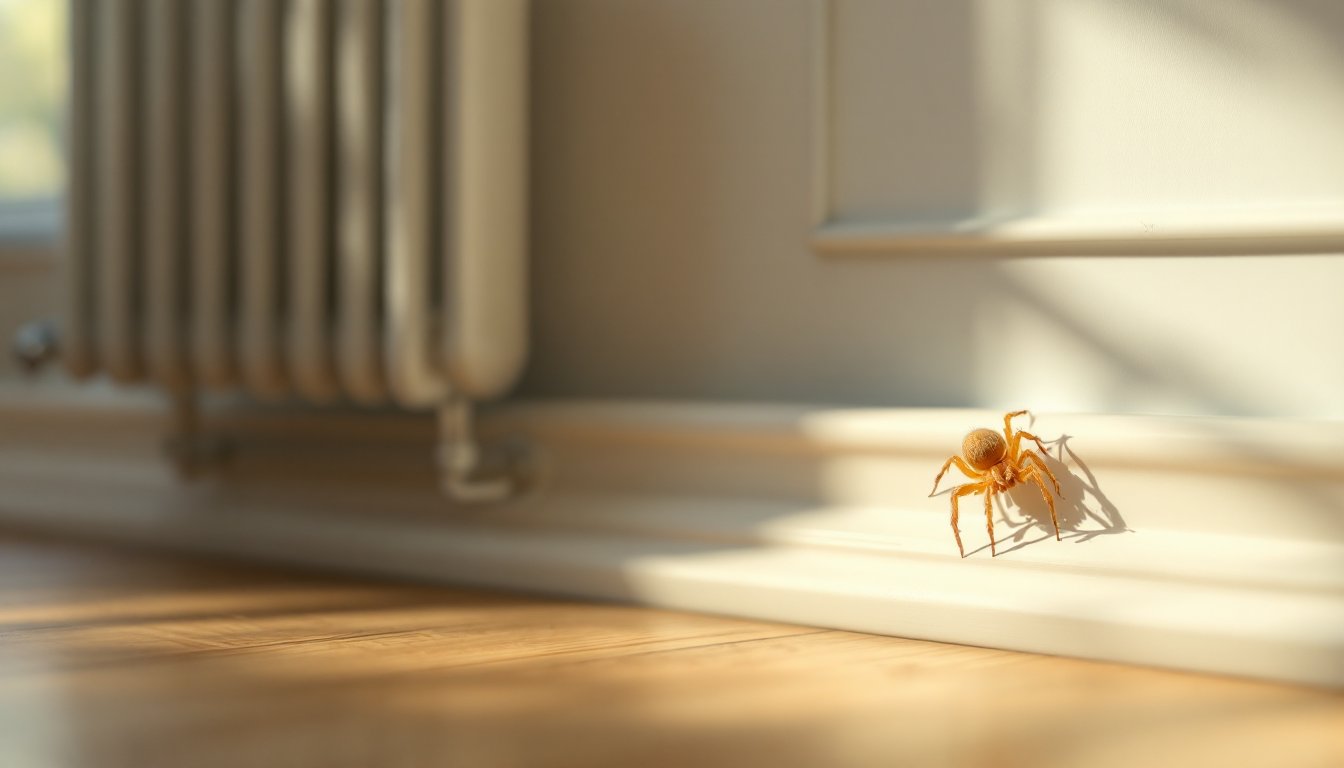
House spiders (family Theridiidae, sometimes called cobweb spiders) are small, tan or brown, and known for their loose, irregular webs often seen in corners. They’re passive hunters and have virtually no interest in biting humans. Jumping spiders are curious, fuzzy, and have large forward-facing eyes that give them an almost puppy-like appearance. Even though their agility, they’re docile and bites are extremely rare. Wolf spiders are larger, brown or gray, and hunt actively on the ground instead of building webs, they’re fast and can look intimidating, but they’re not aggressive toward people.
The cellar spider (often called “daddy longlegs”) has a tiny body with extremely long, thin legs and builds haphazard webs in dim spaces. These are common basement inhabitants and completely harmless. Occasionally, homeowners spot a false widow spider (brown with a distinctive marking on the abdomen), which can bite if threatened, though incidents are rare and effects are mild, comparable to a mosquito bite. According to research on false widow spider bites doubling in the UK, even that species poses minimal threat to most households. The key takeaway: the vast majority of spiders in North American homes are completely benign.
Are They Actually Dangerous?
Short answer: no. The longer answer deserves clarification, though. Spiders have fangs and venom, but they’re biologically tuned to subdue prey the size of insects and small arthropods, not humans. Human skin is far too tough for most house spiders to pierce, and even if one managed to bite (which would require serious provocation, like being trapped in clothing), the venom would cause, at worst, a minor localized reaction similar to a mosquito bite.
In North America, no native spider species is medically significant to humans. The persistent urban legend about brown recluse or black widow spiders causing severe wounds is overblown for house spiders, brown recluse bites are extraordinarily rare, and black widows are far more docile than their reputation suggests. Most “spider bites” are actually misidentified skin infections, allergic reactions, or insect bites from fleas, mites, or bed bugs.
The real question isn’t whether spiders are dangerous: it’s whether you want them around. Many homeowners appreciate spiders as natural pest control, silently reducing the population of flies, mosquitoes, and other nuisances. Others simply prefer a spider-free home. Both responses are valid, the point is to make an informed choice rather than react out of fear.
Practical Methods to Remove Tiny Spiders
If you decide a spider needs to go, you have options that don’t involve violence. The gentlest approach is the “cup and paper” method: place a cup or container over the spider, slide a piece of paper underneath, and carefully carry it outside to release far from your house. This works especially well for wall-dwelling or web-building spiders.
For multiple spiders or active infestations, vacuuming is efficient: use a handheld vacuum or the hose attachment on your main vacuum to gently suck up spiders, webs, and egg sacs. Immediately empty the contents into an outdoor trash can or compost bin. A damp paper towel can also capture and contain a spider for relocation.
Non-Lethal Removal Techniques
Vacuuming is quick and removes both spiders and the debris that attracts their prey. Relocating by hand (using a cup) takes a few extra minutes but feels better if you’re squeamish. Sealing entry points (caulking gaps around windows, doors, and utility penetrations) prevents new spiders from entering, this is the most effective long-term strategy. Reducing clutter eliminates hiding spots and disrupts the habitat spiders prefer. Removing webs and egg sacs with a damp cloth or vacuum interrupts their lifecycle and signals they’re not welcome.
Chemical pesticides are overkill for house spiders and aren’t recommended. They pose health risks to your household and pets, require careful application, and don’t address the root cause (the presence of prey insects). If you’re dealing with a genuinely unusual species or an unusually high population, consulting a local pest control professional is worth considering, they can identify the exact species and recommend targeted solutions. Services like Angi provide contractor reviews and cost guidance if you need professional help. For general home maintenance and pest prevention tips, resources like The Spruce offer practical guidance across household projects.
Preventing Spiders From Returning
Prevention is far more effective than removal. Start with the obvious: seal cracks and gaps around baseboards, window frames, door thresholds, and anywhere utilities enter the house. Use caulk for stationary gaps and weatherstripping for doors and windows, both are inexpensive and take minutes to apply. Pay special attention to the foundation perimeter, as spiders often enter at ground level.
Reduce moisture by fixing leaks, ensuring gutters drain away from the foundation, and using exhaust fans in bathrooms and kitchens. Many insects, and hence spiders, thrive in damp conditions. Keep food sealed: store pantry items in airtight containers, don’t leave dishes in the sink overnight, and take garbage out regularly. Declutter closets, storage areas, and basements where spiders like to hide and hunt undisturbed.
Regular vacuuming and dusting remove webs, egg sacs, and the small insects that sustain spiders. Trim vegetation near the house, as overgrown plants near windows and vents create highways for spiders to climb in. Use door sweeps under exterior doors to eliminate a common entry point. If spiders return even though these efforts, the underlying issue is likely an abundance of prey insects, recheck for food sources, moisture, and clutter that might be attracting them.
These steps take a few hours of effort spread over time but create a home environment where spiders simply aren’t welcome, or at least, are far less likely to settle in and reproduce.