
Table of Contents
ToggleFinding tiny white spiders in your house might make you jump, but don’t panic. These small eight-legged visitors are far more common than you’d think, and most pose zero threat to you or your family. Unlike the creepy-crawly stories that get passed around, tiny white spiders are actually beneficial creatures that help keep your home free of more annoying pests. Whether you’ve spotted them in corners, on walls, or near windows, understanding what they are and why they’re there is the first step to deciding whether you even need to evict them. This guide walks you through identification, safety concerns, and removal methods so you can handle the situation with confidence.
Key Takeaways
- Tiny white spiders in your house are harmless and actually beneficial—they hunt gnats, flies, and other annoying pests that you’d prefer to avoid.
- Common indoor species include cellar spiders (daddy longlegs), comb-footed spiders, and jumping spider spiderlings, none of which pose any threat to humans or pets.
- If tiny white spiders are present in abundance, it signals that your home has excess insects or moisture, so addressing the root cause (humidity, food debris, poor ventilation) is more effective than targeting the spiders themselves.
- Manual removal using the cup-and-paper method or a handheld vacuum is spider-friendly, but natural deterrents like peppermint oil, diatomaceous earth, and improved ventilation work without chemicals.
- Long-term prevention involves regular cleaning, sealing entry points, controlling humidity with dehumidifiers, and eliminating hiding spots like clutter and cardboard boxes.
What Are Tiny White Spiders?
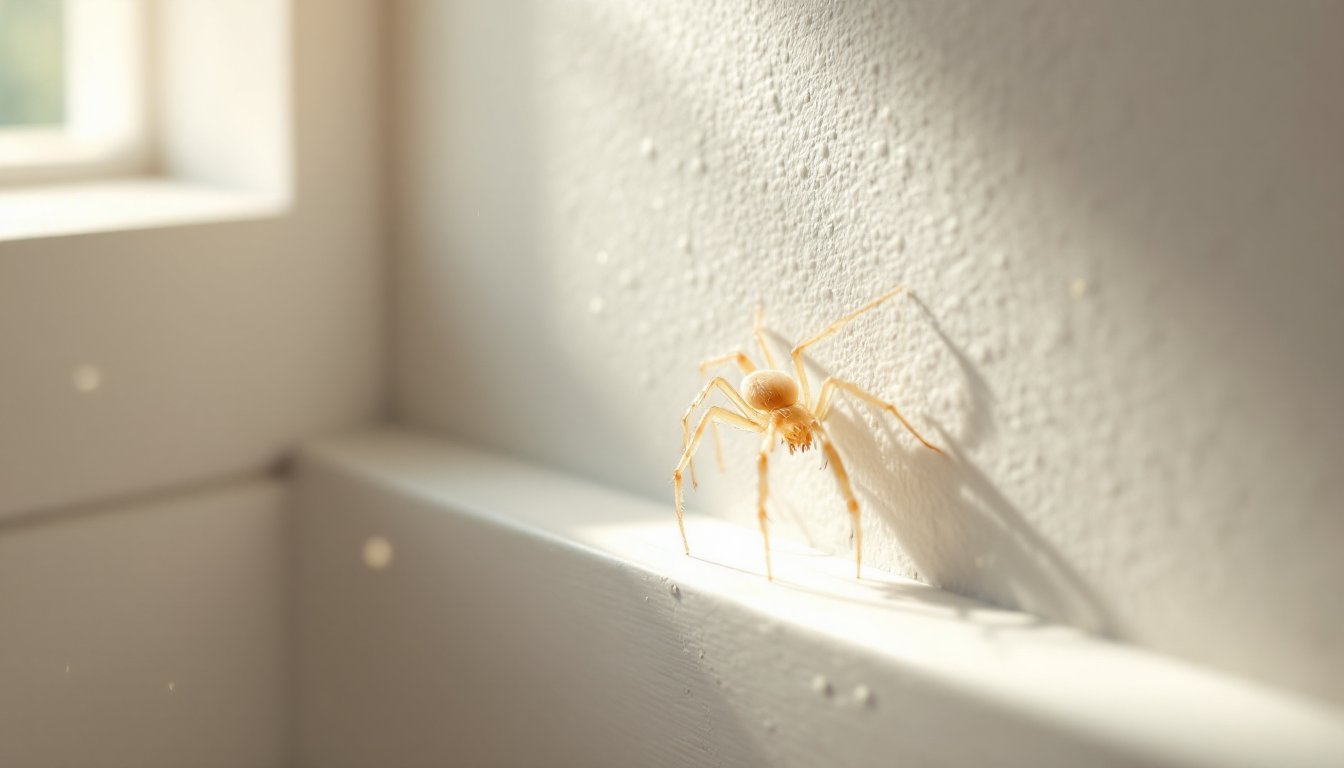
Tiny white spiders in your home are most likely one of a few harmless species. These aren’t mutant creatures or signs of an infestation, they’re just spiders that happen to be small and pale in color. The ones you’ll encounter indoors are typically ground-dwelling or web-building species that have adapted to living near humans.
The key detail to remember is that spider size and color vary wildly within species, and white or pale coloring often appears on younger spiders (called spiderlings) or species native to indoor environments. These aren’t dangerous or diseased: that’s just their natural appearance.
Common Species Found Indoors
The most frequent tiny white spider you’ll find indoors is the cellar spider (also called daddy longlegs), though they’re not pure white, they’re pale tan or gray with extremely long, thin legs. If you spot a truly white spider, it’s often a comb-footed spider or a lynx spider, both of which can be pale or translucent. Another possibility is a jumping spider spiderling, young jumping spiders are often lighter in color than adults.
These spiders are small (usually 2–6 millimeters for adults), harmless to humans, and actually work in your favor by hunting gnats, mosquitoes, and other small insects. None of these species are medically significant or aggressive. They won’t bite unless severely provoked, and even then, their fangs are too small to penetrate human skin reliably.
Why Are They In Your Home?
Tiny white spiders don’t invade your house out of malice, they’re following food and shelter. Indoor environments provide both: plenty of insects (gnats, flies, mold mites) and dark, undisturbed spaces where they can build webs or hide.
Cellar spiders thrive in basements, crawlspaces, and other damp areas because they prefer humidity. Jumping spiders and lynx spiders gravitate toward windows and light sources where flying insects tend to congregate. If you’re seeing more of them than usual, it likely means your home has attracted their prey, which points to potential moisture issues, poor air circulation, or excess organic matter (like dust or food debris) feeding the insect population.
In short: spiders aren’t the problem: they’re the solution to a problem you might not have noticed yet. If they’re thriving, something is feeding them.
Are Tiny White Spiders Dangerous?
No. This is the short answer, and it holds up completely. Tiny white spiders pose no genuine threat to humans, pets, or your home’s structure. They’re venomous (all spiders are), but venom is designed to paralyze insects, not mammals. Their fangs are too small to puncture human skin in any practical scenario, and they have zero interest in biting people. They’ll run away or play dead before they ever consider aggression.
These spiders don’t carry diseases, don’t contaminate food, and don’t damage fabric, wood, or drywall. They’re not signs of a dirty home or poor maintenance, they’re actually indicators that your indoor ecosystem is active, which is normal.
The only valid concern is if you have a severe spider phobia or if someone in your household has a genuine allergy to spider venom (extremely rare). In those cases, removal is justified for peace of mind. But as a pest-control issue? Tiny white spiders are doing you a favor.
How To Get Rid Of Tiny White Spiders
If you’ve decided you want the spiders gone, there are several approaches, from the gentlest to the nuclear option. Start with whatever feels right for your comfort level.
Step 1: Tolerate Them (Yes, Really)
Seriously, leaving them alone costs nothing and they’ll eat your pest problems for you. If they’re not bothering you, they’re working.
Step 2: Remove Them Manually
Use a cup and paper trick: place a cup over the spider, slide paper underneath, and release it outside. It’s spider-friendly and works. For webs, a handheld vacuum or broom clears them without harming the spider.
Step 3: Eliminate Their Food Source
Spiders stick around because food is plentiful. Reduce moisture (use a dehumidifier in basements), clean up crumbs and food debris promptly, and fix any leaky pipes. With fewer insects around, spiders lose interest and move elsewhere.
Step 4: Use Pest Spray (Last Resort)
If you’re determined to use chemicals, standard household insect spray or spider-specific products work, though they’re unnecessary for safety reasons. Always follow label instructions and keep pets and children away during application.
Natural Removal Methods
If you prefer gentler tactics, several natural approaches discourage spiders without toxins. Peppermint or citrus essential oils mixed with water and sprayed in corners where spiders congregate can irritate them (they dislike strong scents). Diatomaceous earth (food-grade, not pool-grade) sprinkled along baseboards and corners dehydrates soft-bodied insects, which removes spiders’ food source over time.
Caulking cracks and gaps around baseboards, windows, and door frames limits entry points. Removing clutter, cardboard boxes, old storage, piles of fabric, eliminates hiding spots and makes your home less attractive. Ventilation is also key: fans in damp basements or bathrooms reduce humidity, which discourages the insects that feed spiders.
Prevention Tips For The Future
Once you’ve addressed the spider situation, keeping them at bay long-term means maintaining a less appealing environment. Clean regularly and don’t leave food out, this keeps gnats and flies down, which automatically reduces spider food. Seal windows and doors properly, especially in fall when spiders seek warmth indoors.
Dehumidifiers in basements and crawlspaces prevent the dampness that attracts cellar spiders. If you have exterior lights, consider switching to yellow “bug lights,” which attract fewer insects and hence fewer spiders wanting to eat them. According to home maintenance guides from Real Simple, consistent organization and pest prevention go hand-in-hand.
Don’t stockpile cardboard or fabric in dark corners, these are spider magnets. And if you notice a spike in gnats or fruit flies, deal with that first: the spiders will be close behind.
Regular vacuuming also removes dust and organic debris that feed tiny insects. The Spruce recommends paying special attention to corners, baseboards, and window sills where insects congregate. A clean home is a less attractive home for both pests and the spiders that hunt them. Also, Good Housekeeping’s cleaning tips emphasize the importance of moisture control, which is foundational to preventing most indoor pest problems, including spider populations. Keep gutters clear, repair water leaks promptly, and ensure crawlspaces and attics have proper ventilation, these small steps eliminate the conditions that invite unwanted eight-legged visitors.