
Table of Contents
ToggleAlternative homeownership is rapidly gaining appeal across the country. Buyers are actively seeking affordable paths to secure their own property, shifting away from sky-high traditional housing markets.
This shift makes total financial sense. To put it in perspective, the average cost for a new manufactured home in 2025 was $115,557.
While the base price of a manufactured home is highly attractive, successfully buying one requires some preparation. You need a firm understanding of land considerations, legal classifications, hidden site costs, and unique financing requirements.
That difference in the buying process is worth understanding before you start comparing loan options. If you’re considering a modular property, taking time to learn how modular home financing works can give you a clearer picture of the loan process, the costs to account for, and what to expect as you move from choosing a home to securing the right financing.
Mobile vs. Manufactured vs. Modular
The real estate industry is full of confusing terminology. Many people use the terms mobile, manufactured, and modular interchangeably. Doing so can cause massive headaches when you apply for a loan.
A “mobile home” is a very specific legal classification. It refers exclusively to factory-built structures constructed before June 15, 1976. This date is important because it marks the exact day the federal HUD safety standards were enacted.
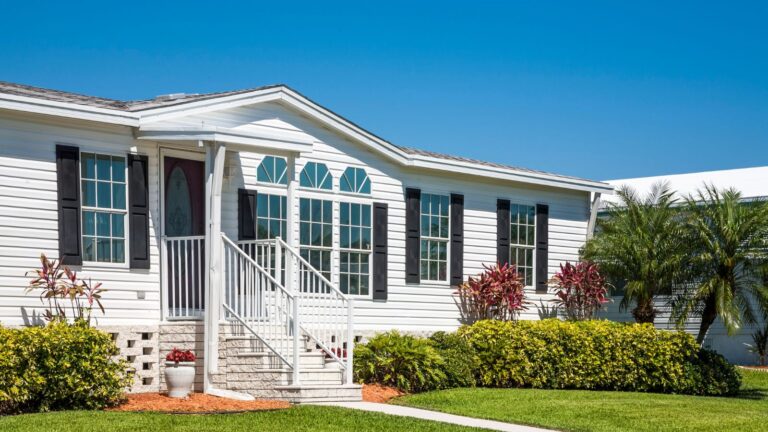
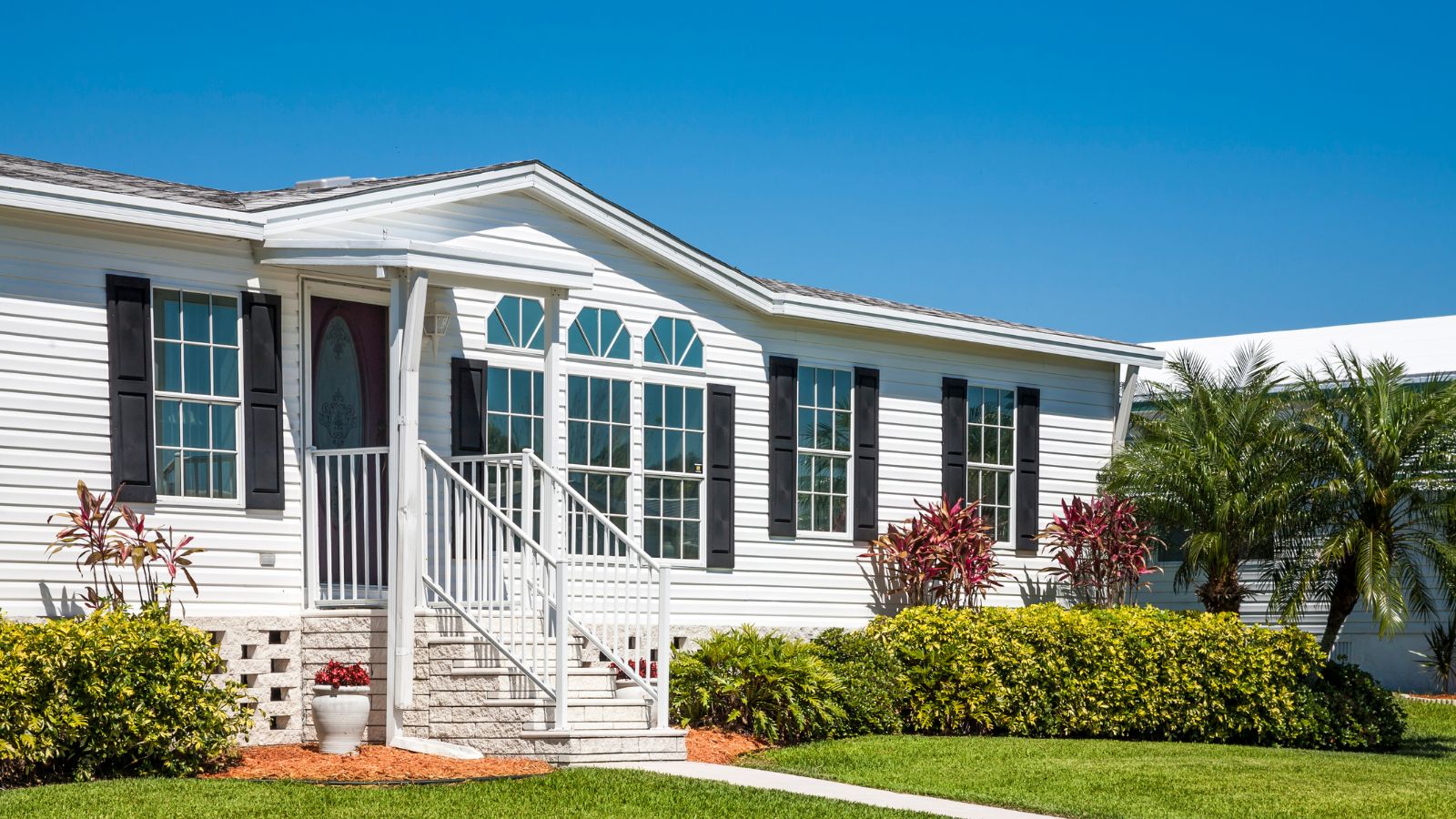
Modern “manufactured homes” are built entirely in a factory environment today. These structures strictly adhere to the current federal HUD Code, ensuring safety, energy efficiency, and quality construction.
These are very different from “modular homes.” Modular structures are also factory-built, but they are transported in pieces and assembled on-site. Once placed, modular homes must conform to standard local or state site-built building codes rather than the federal HUD code.
You must know exactly which product you are purchasing. Traditional banks and alternative lenders have very different underwriting guidelines depending on which of these three categories your home falls into. Buying an older mobile home, for example, will severely limit your financing choices compared to a brand-new manufactured unit.
Leasing a Lot vs. Owning the Land
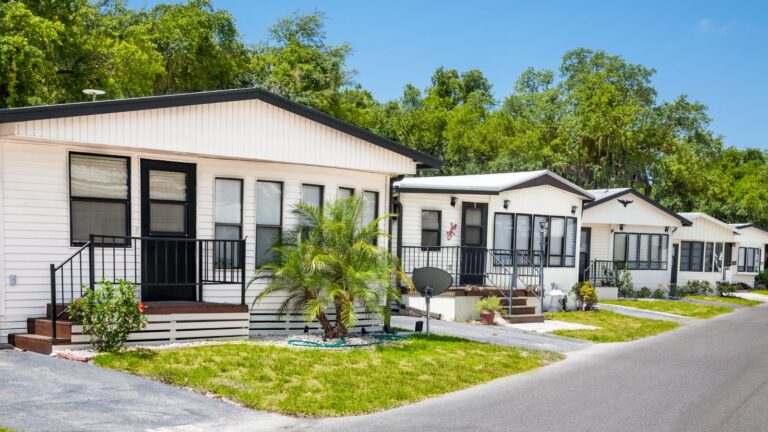
Where you place your home has a massive impact on your ownership rights. Many buyers opt to place their manufactured home on a leased lot inside a community park. This offers a much lower upfront cost because you do not have to purchase real estate.
However, leasing comes with long-term restrictions. You must pay monthly lot rent, follow community rules, and you miss out on the appreciation value of owning the land itself.
Purchasing a manufactured home alongside a dedicated piece of land offers incredible long-term equity benefits. You gain the freedom to manage your property as you see fit. You also create an asset that can increase in value over time.
When you decide to place your manufactured home on a permanent foundation on your own lot, it legally transitions from personal property to real estate. Navigating the specific loan requirements for this setup can be tricky if conventional banks have strict property guidelines. Because of this, it is essential to start understanding your loan options for manufactured homes on land early in the process.
Real Property vs. Personal Property (Chattel)
The legal classification of your new home is the single biggest hurdle for most buyers. If a manufactured home is not permanently attached to land, the government legally views it as “personal property” (also known as chattel). Under this classification, the home is treated very similarly to a vehicle.
This classification completely changes your borrowing power. Chattel loans typically feature higher interest rates and shorter repayment terms than standard mortgages.
Conversely, a home becomes “real property” when it is affixed to a HUD-compliant permanent foundation on land the borrower owns. This transition legally ties the home to the earth, treating the house and the land as a single real estate asset.
Getting this classification wrong can ruin your financial strategy. In fact, one-third of manufactured home borrowers who might have been eligible for a mortgage titled their home as personal property, rendering them ineligible for traditional mortgages.
You must work with title companies and local officials early in the buying process. Ensuring your home is legally classified as real property maximizes your financing options and protects your investment.
Hidden Logistical Costs
The sticker price you see at the dealership is never the final price you will pay. It is easy to get excited by the cost-effectiveness of this housing type. Research shows that manufactured homes cost nearly half per square foot compared to traditional site-built homes, averaging $87 per square foot versus $166.
However, you must set realistic financial expectations. The mandatory site and logistical expenses required beyond the home’s base price can add tens of thousands of dollars to your final bill.
Land site preparation is usually the largest hidden expense. You must clear the land of trees and debris, grade the soil for proper drainage, and pour a permanent, approved foundation.
| Expense Category | Common Requirements |
|---|---|
| Site Preparation | Land clearing, soil grading, pouring a permanent foundation |
| Utility Connections | Tapping city water/sewer, drilling a private well, septic system installation |
| Transportation & Delivery | Standard transport fees, rural access challenges, pilot cars |
What to Do When Traditional Banks Say No
Securing a loan for a manufactured home is not always straightforward. Traditional lenders like the FHA, VA, USDA, or conventional banks frequently deny loans for this property type.
Common reasons for denial include the age of the home, unique land configurations, or simply having a non-traditional borrower income. If you are self-employed or have a complex credit history, a conventional bank algorithm might automatically reject your application.
This is where equity-based private lending serves as a powerful bridge solution. Private lenders evaluate the actual deal strength and the collateral value of the property. They do not rely on strict, automated credit score thresholds.
You should set transparent expectations if you pursue alternative loans. They often require a higher down payment, typically around 25% to 35%, to offset the lender’s risk. If you already own your land outright, that land equity can often be used to satisfy this down payment requirement.
The benefits of this route are significant. Private lending offers fast closings and custom, manual underwriting. This customized approach solves complex property and income problems that traditional banks simply refuse to touch.
Conclusion
Buying a manufactured home is an excellent path to affordable homeownership. You simply need to master the basics before you begin shopping.
Aligning your land choice, property titling, and overall budget is essential before signing any purchase agreements. A beautiful home is only a good investment if you have a legal place to put it and a reliable way to pay for it.