
Table of Contents
ToggleHome renovation ideas and techniques can completely change how a space looks, feels, and functions. Whether someone wants to update a single room or overhaul an entire property, the right approach makes all the difference. Smart planning, practical methods, and a clear budget help homeowners achieve results they’ll love for years.
This guide covers affordable upgrades, essential renovation techniques, and room-specific strategies. It also addresses the common question: should a homeowner tackle a project themselves or call in a professional? The answers ahead will help anyone start their next renovation with confidence.
Key Takeaways
- Budget-friendly home renovation ideas like paint, hardware swaps, and lighting upgrades deliver impressive results without major spending.
- Follow proper renovation techniques by planning a detailed scope, setting a 10–20% contingency budget, and sequencing work correctly.
- Kitchens and bathrooms offer the highest return on investment, with minor kitchen remodels recouping about 96% of costs at resale.
- DIY projects like painting and installing hardware save money, but hire licensed professionals for electrical, plumbing, and structural work.
- Surface preparation and quality materials in high-traffic areas produce professional-quality, long-lasting results.
- A hybrid approach—handling demolition and painting yourself while pros manage skilled trades—cuts costs without compromising safety.
Budget-Friendly Renovation Ideas That Make a Big Impact
Big changes don’t always require big spending. Some of the most effective home renovation ideas cost far less than a full remodel but deliver impressive results.
Paint remains one of the cheapest ways to refresh any room. A gallon of quality paint runs about $30–$50, yet it can transform walls, cabinets, and even dated furniture. Neutral tones like warm whites, soft grays, and greiges appeal to most buyers and create a clean backdrop for décor.
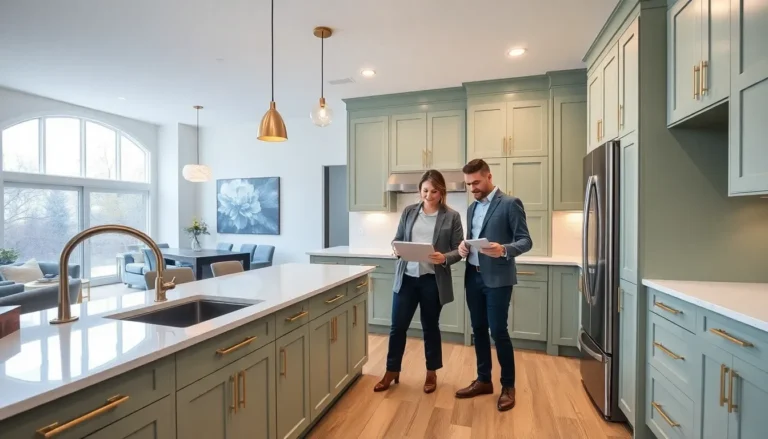
Hardware swaps offer another quick win. Replacing outdated cabinet pulls, drawer handles, and door knobs takes an afternoon but makes kitchens and bathrooms look more modern. Brushed brass, matte black, and satin nickel finishes are currently popular choices.
Lighting upgrades punch well above their weight. Swapping a builder-grade fixture for a statement pendant or updated chandelier changes the mood of a room instantly. Dimmer switches add versatility and cost under $25 each.
Consider open shelving in kitchens or living areas. Removing a few upper cabinet doors, or adding floating shelves, creates visual interest and makes spaces feel larger. This project costs little more than brackets, stain, and a few hours of labor.
Finally, refinishing floors instead of replacing them saves thousands. Hardwood floors can be sanded and restained for $3–$8 per square foot, compared to $8–$15 for new material plus installation. Even vinyl plank flooring offers a budget-friendly alternative that mimics wood at a fraction of the price.
These home renovation ideas prove that strategic, low-cost updates often deliver the biggest visual payoff.
Essential Techniques for a Successful Renovation Project
Good techniques separate smooth renovations from stressful disasters. Planning and execution matter as much as design choices.
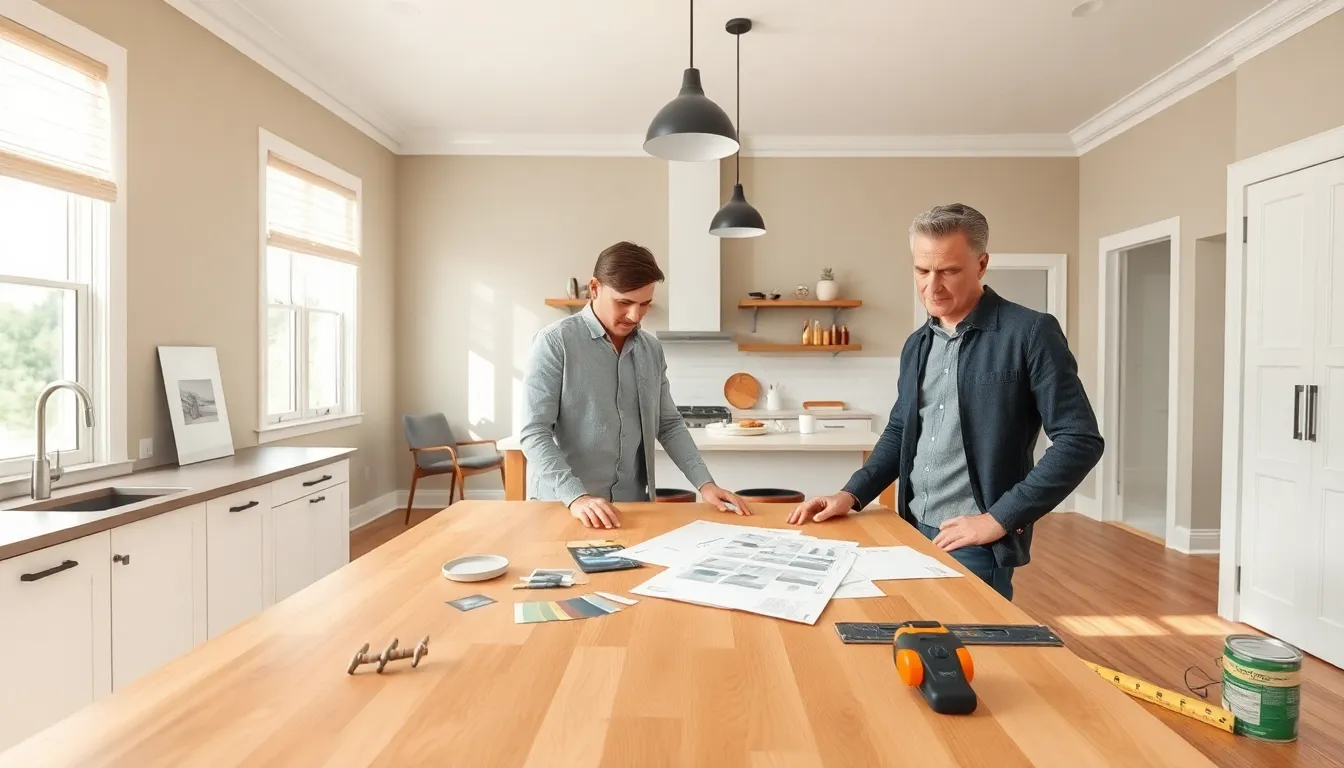
Start with a detailed scope. Write down exactly what needs to happen before touching a single tool. Include demolition, materials, labor, and a realistic timeline. Vague plans lead to budget overruns and half-finished projects.
Set a contingency budget. Experts recommend adding 10–20% on top of estimated costs. Surprises, hidden water damage, outdated wiring, or structural issues, appear in nearly every renovation. That buffer prevents panic when unexpected expenses hit.
Sequence work correctly. Renovation techniques follow a logical order: demolition first, then structural changes, rough-in plumbing and electrical, insulation, drywall, flooring, trim, and finally paint and fixtures. Skipping ahead creates rework and wasted money.
Invest in proper prep. Surface preparation determines how well paint adheres, how flat tile lays, and how long finishes last. Sanding, priming, leveling, and cleaning might feel tedious, but they produce professional-quality results.
Use quality materials where it counts. Cheap faucets leak. Thin flooring dents. Low-grade paint fades. Spend more on high-traffic areas and items that get daily use. Save money on decorative accents instead.
Document everything. Take photos before, during, and after each phase. These records help with insurance claims, future repairs, and resale disclosures. They also remind homeowners how far a space has come.
Mastering these renovation techniques keeps projects on track and delivers lasting results.
Room-by-Room Renovation Strategies
Different rooms demand different approaches. The following strategies address the most common areas homeowners want to improve.
Kitchen and Bathroom Updates
Kitchens and bathrooms offer the highest return on investment for home renovation ideas. According to Remodeling Magazine’s 2024 Cost vs. Value report, minor kitchen remodels recoup about 96% of their cost at resale.
In kitchens, focus on the “work triangle”, the path between the sink, stove, and refrigerator. Efficient layouts reduce wasted steps. Cabinet refacing costs 30–50% less than full replacement and looks nearly identical. Quartz and butcher block countertops remain durable, attractive options.
In bathrooms, address plumbing first. Leaky pipes and poor drainage cause expensive damage over time. After that, prioritize ventilation, a proper exhaust fan prevents mold and extends paint life. Tile, vanities, and mirrors can follow once the infrastructure works.
Small changes like new grout, caulk, and modern fixtures refresh both spaces without major demolition.
Living Spaces and Bedrooms
Living rooms and bedrooms benefit from flow and comfort improvements. Start by evaluating furniture layout. Pieces pushed against walls often make rooms feel smaller, not bigger. Floating arrangements create conversation areas and visual balance.
Crown molding and baseboards add architectural interest for modest cost. Pre-primed MDF molding installs quickly with a miter saw and nail gun.
Window treatments affect both style and energy efficiency. Cellular shades insulate well, while layered curtains add softness. Either option upgrades the look of a room.
Built-ins maximize storage in bedrooms without eating floor space. A custom closet system or window seat with drawers turns dead corners into functional features.
These room-by-room home renovation ideas help homeowners prioritize where to spend time and money.
When to DIY vs. Hire a Professional
Not every project suits every skill level. Knowing when to call a contractor saves time, money, and frustration.
DIY-friendly tasks include painting, installing hardware, replacing light fixtures (with the power off), laying click-lock flooring, and basic landscaping. These projects require common tools, patience, and a willingness to watch a few tutorials.
Hire a professional for anything involving permits, structural changes, gas lines, or major electrical work. Licensed electricians, plumbers, and general contractors carry insurance and know local codes. A botched electrical job can cause fires. A plumbing mistake can flood a home. The risk isn’t worth the savings.
Consider hiring help when:
- The project affects resale value and needs to look flawless.
- Time is limited and delays would cause stress.
- Special tools or equipment would cost more to buy than to rent through a contractor.
A hybrid approach works well for many homeowners. They handle demolition, painting, and cleanup while professionals manage skilled trades. This method cuts labor costs without compromising safety or quality.
Honest self-assessment matters. If a homeowner has never used a tile saw, a first attempt probably shouldn’t be a bathroom floor. Practice on low-stakes projects first, then graduate to bigger challenges.
Choosing the right renovation techniques, whether DIY or professional, keeps projects safe and successful.