
Table of Contents
ToggleHouse hacking examples show how homeowners turn their living spaces into income-generating assets. This strategy lets people offset mortgage payments, build equity faster, and sometimes live rent-free. Whether someone owns a single-family home or a small apartment building, house hacking offers multiple paths to financial freedom. The concept is simple: use part of a property to generate rental income while living in another part. From spare bedrooms to backyard cottages, these approaches help thousands of people reduce their housing costs each year. This guide covers the most effective house hacking strategies available today.
Key Takeaways
- House hacking examples range from renting spare bedrooms to purchasing multifamily properties, offering flexible paths to reduce or eliminate housing costs.
- Renting out spare rooms is the simplest house hacking strategy, potentially covering 30% to 50% of total housing expenses with minimal startup investment.
- Multifamily house hacking with duplexes or triplexes can create positive cash flow, especially when using FHA loans that require just 3.5% down.
- Short-term rentals through Airbnb or Vrbo generate higher income than traditional rentals but require more active management and attention to local regulations.
- Accessory dwelling units (ADUs) provide complete tenant separation and can command $1,500 to $2,500 monthly rent while increasing overall property value.
- Successful house hackers screen tenants carefully, establish clear written agreements, and take advantage of tax deductions on rented portions of their property.
What Is House Hacking?
House hacking is a real estate strategy where homeowners rent out portions of their property to cover housing expenses. The term became popular in the early 2010s through real estate investing communities. Today, it represents one of the most accessible ways to enter the property investment world.
The basic idea works like this: a person buys a property, lives in one section, and rents out the rest. The rental income then pays for some or all of the mortgage, taxes, and insurance. In ideal situations, house hackers live completely free while building wealth through property appreciation.
House hacking examples vary widely based on property type, location, and personal comfort levels. Some people rent a single room to a trusted friend. Others purchase four-unit buildings and rent three apartments to strangers. The strategy scales from modest arrangements to significant rental operations.
This approach offers several advantages. First, it reduces the barrier to homeownership by creating immediate cash flow. Second, owner-occupied properties qualify for better loan terms than investment properties. Third, house hackers gain landlord experience in a low-risk environment. They learn tenant management, maintenance, and rental pricing while living on-site.
Renting Out Spare Bedrooms
Renting spare bedrooms is the simplest house hacking example for most homeowners. This strategy requires no property modifications, no additional purchases, and minimal startup costs.
A typical three-bedroom home offers one or two rooms for rent after the owner claims their own space. In high-cost cities, a single room can fetch $800 to $1,500 monthly. That income often covers 30% to 50% of total housing costs.
Success with this house hacking approach depends on tenant selection. Smart house hackers screen potential roommates carefully. They check references, verify income, and meet candidates in person before signing any agreements. Many prefer renting to graduate students, young professionals, or traveling nurses who need temporary housing.
The arrangement works best with clear boundaries. Written agreements should cover rent amounts, utility splits, guest policies, and shared space rules. Some house hackers designate specific refrigerator shelves, establish quiet hours, and create cleaning schedules.
Tax benefits add another layer of value to this house hacking strategy. Owners can deduct a portion of mortgage interest, property taxes, and utilities based on the percentage of space rented. A tax professional can help maximize these deductions while staying compliant with IRS rules.
Living in a Multifamily Property
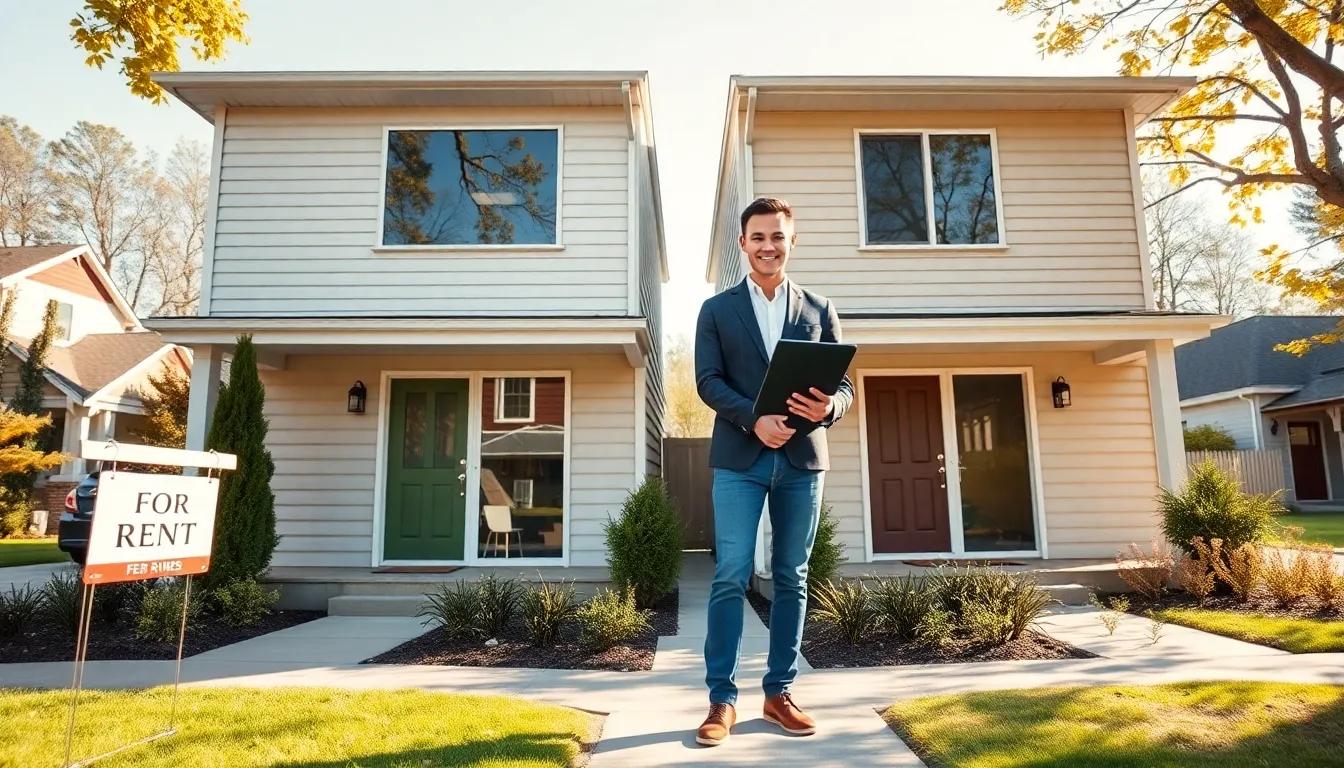
Multifamily house hacking represents the classic approach to this strategy. An investor purchases a duplex, triplex, or fourplex, lives in one unit, and rents the others.
The numbers often work exceptionally well. Consider a triplex purchased for $450,000 with a $2,800 monthly mortgage payment. If two rental units each generate $1,200 per month, the owner pays just $400 to live there. Some house hackers achieve positive cash flow, meaning they get paid to live in their own home.
FHA loans make multifamily house hacking accessible to first-time buyers. These government-backed loans allow purchases of properties up to four units with just 3.5% down. The catch: the buyer must live in one unit for at least one year.
This house hacking example does require more active management than renting bedrooms. Landlords handle maintenance requests, collect rent, and address tenant concerns. But living on-site makes these tasks more convenient. A leaky faucet next door takes minutes to assess, not hours of travel.
Property selection matters significantly. Successful multifamily house hackers look for buildings with separate entrances, individual utility meters, and good rental histories. They analyze neighborhood rental rates before purchasing to ensure the numbers work.
Short-Term Rental Strategies
Short-term rentals through platforms like Airbnb and Vrbo create another house hacking opportunity. This approach often generates higher income than traditional rentals, though it requires more active involvement.
Some house hackers rent their entire home during peak travel seasons or local events. A homeowner near a major stadium might list their property during game weekends, earning hundreds of dollars per night. They stay with friends or family during these periods.
Others dedicate specific rooms to short-term guests year-round. A finished basement with a private entrance makes an ideal Airbnb unit. Guests enjoy privacy, and hosts maintain their normal routines upstairs.
Short-term rental house hacking works best in tourist destinations, college towns, and cities with frequent business travelers. Location determines pricing power and occupancy rates.
This strategy demands attention to details. Successful hosts provide clean linens, clear check-in instructions, and responsive communication. They photograph their spaces professionally and write compelling listings. Reviews matter enormously, five-star ratings lead to more bookings and higher prices.
Local regulations require attention too. Many cities now restrict short-term rentals or require permits. House hackers should research their local rules before listing any property.
Accessory Dwelling Unit Rentals
Accessory dwelling units (ADUs) offer house hacking potential without sharing living space. These small, independent structures sit on the same lot as a primary residence.
ADUs take several forms. Some homeowners convert garages into apartments. Others build detached cottages in their backyards. Basement conversions also qualify as ADUs in many jurisdictions.
This house hacking example requires upfront investment but creates long-term value. Construction costs range from $50,000 for basic garage conversions to $200,000 or more for new detached units. But, ADUs typically increase property values by similar amounts.
Rental income from ADUs often exceeds what spare bedrooms generate. A well-designed 500-square-foot unit can command $1,500 to $2,500 monthly in strong markets. The complete separation appeals to tenants who want privacy.
Permitting represents the biggest hurdle for ADU house hacking. Regulations vary dramatically by city and county. Some areas encourage ADUs with streamlined approval processes. Others make construction difficult or impossible through zoning restrictions.
Even though these challenges, ADUs remain one of the most powerful house hacking examples available. They generate rental income, add property value, and provide housing flexibility for years to come.